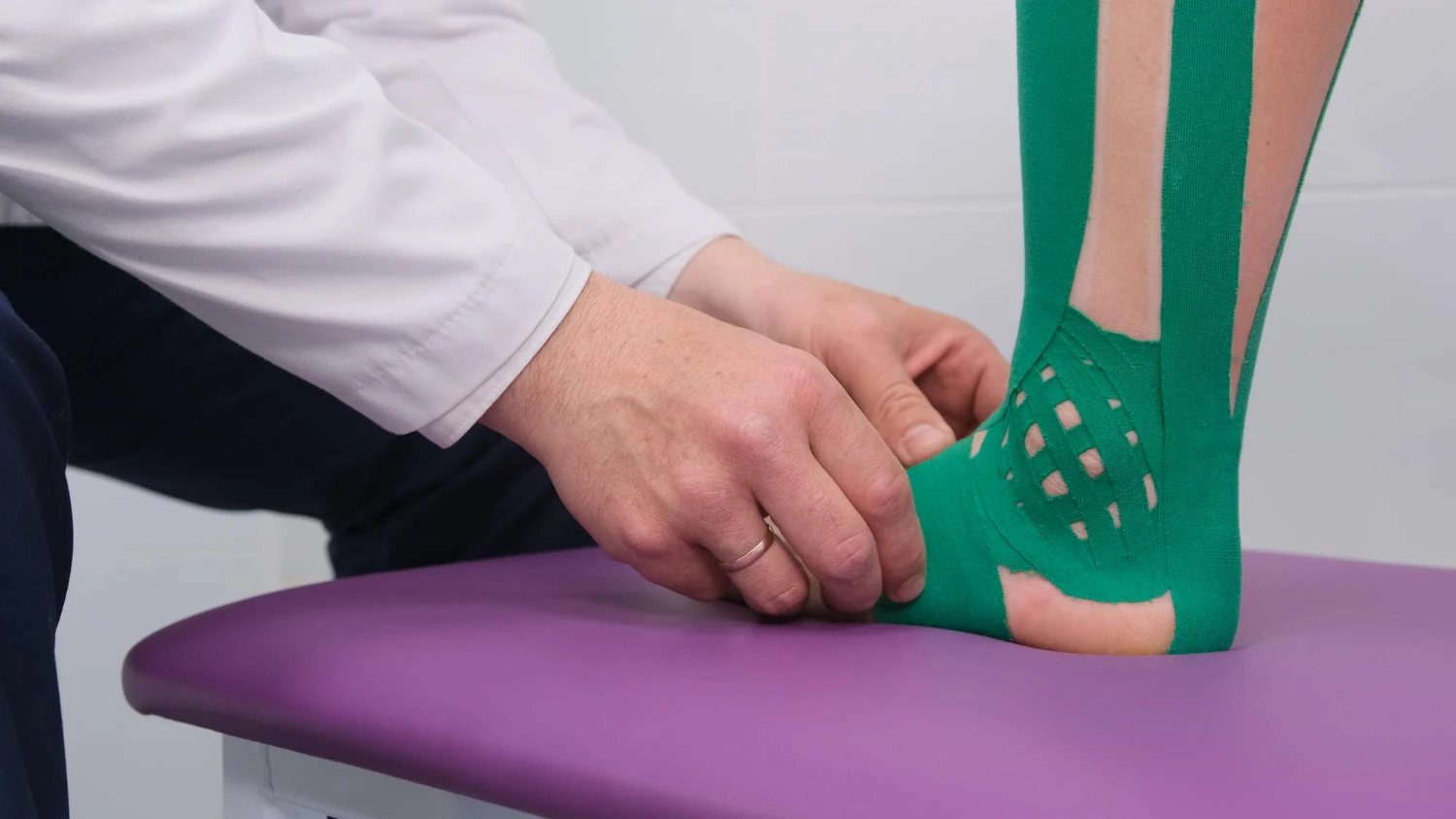
How Kinesio Tape Reduces Swelling and Inflammation
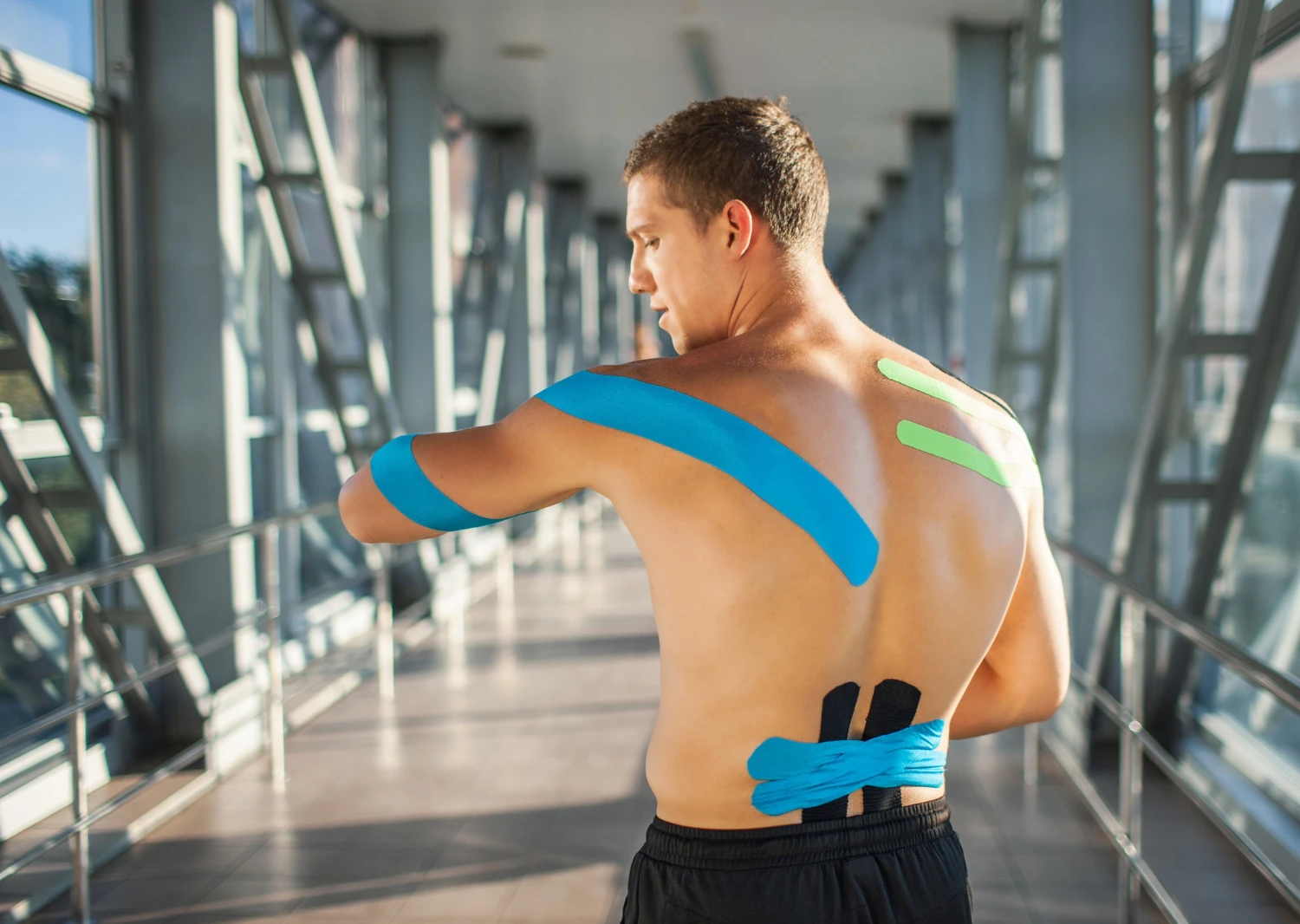
Kinesio Tex Tape, often called KT Tape, is commonly seen on athletes, runners, and active individuals. But it is more than a sports accessory. When applied correctly, kinesio tape can be used as a therapeutic tool to help support injured muscles, reduce swelling, improve circulation, and encourage more comfortable movement.
For people dealing with acute injuries, muscle strain, joint irritation, bruising, or chronic swelling, taping may help the body recover by supporting natural drainage and reducing pressure around irritated tissues. At Touchstone Chiropractic, Kinesio taping may be used as part of a broader care plan that can include chiropractic adjustments, therapeutic exercise, mobility work, and long-term support strategies.
The Science of “Lifting”: How It Works
Kinesio tape is designed to stretch and move with the body. Unlike rigid athletic tape, which is often used to restrict movement, kinesio tape provides support while still allowing normal motion. One of the key ways it works is through a gentle lifting effect on the skin.
Creating Space in the Dermis
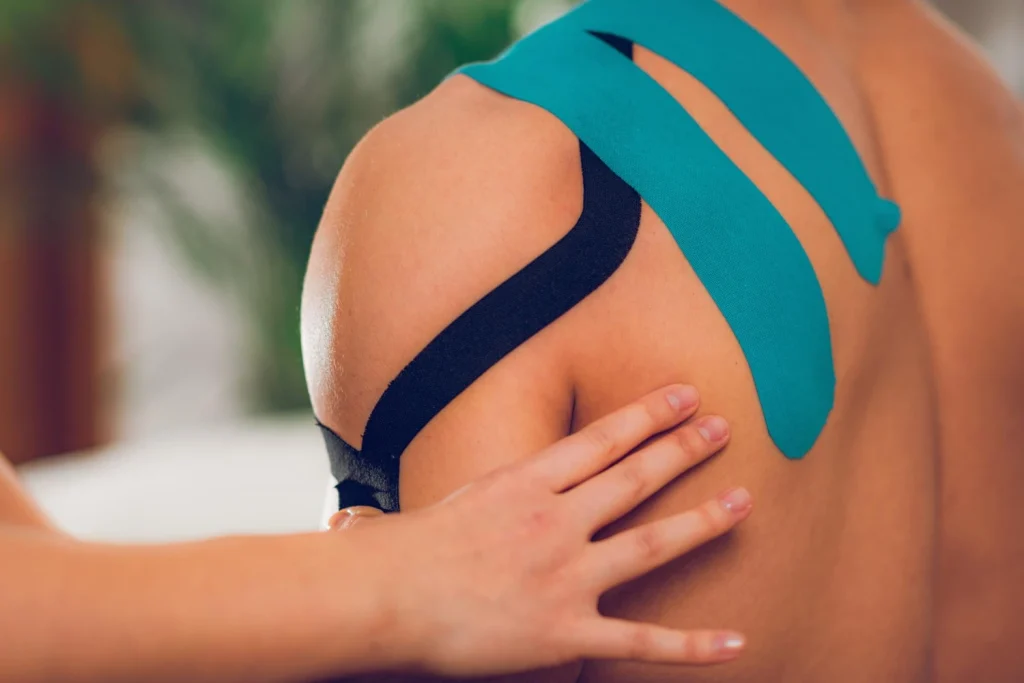
When Kinesio tape is applied to the skin, it can create a subtle lifting or wrinkling effect. This may help increase the space between the skin and the tissues underneath it.
This “lifting effect” may help by:
- Reducing pressure around irritated tissues
- Creating more room for fluid movement
- Decreasing compression on pain-sensitive nerve endings
- Supporting more comfortable movement during recovery
- Helping the body manage swelling more efficiently
When an area is swollen or inflamed, pressure can build up in the tissues. That pressure may irritate nearby pain receptors, making the area feel sore, tight, or tender. By helping decompress the area, kinesio tape may reduce discomfort and support the body’s natural healing process.
Boosting Lymphatic Drainage
The lymphatic system helps move excess fluid and waste products away from tissues. After an injury, fluid can collect around the affected area, leading to swelling, stiffness, and discomfort.
Kinesio taping may help open small pathways that allow lymphatic fluid to move away from the injured area more efficiently. This is often called a “conduit” effect because the tape helps guide fluid away from the site of swelling.
When combined with therapeutic exercise, this can be especially helpful. Gentle movement encourages circulation and lymphatic flow, while the tape provides support between visits and during daily activity.
Reducing Inflammation Through Improved Circulation
Inflammation is part of the body’s natural healing response. However, when inflammation lingers too long or builds up around a joint or muscle, it can slow recovery and make movement more difficult.
Enhanced Blood Flow
By creating more space in the tissues, Kinesio tape may help improve circulation in the affected area. Better circulation can support venous return, which is the process of moving blood back toward the heart.
When circulation improves, oxygen and nutrients can reach the tissues more effectively. This may help support tissue repair and reduce the feeling of tightness or heaviness often associated with swelling.
Removing Chemical Byproducts
After an injury, the body may produce inflammatory substances such as histamine, cytokines, and other chemical byproducts. These substances are part of the healing process, but when they accumulate, they can contribute to pain, bruising, and inflammation.
Kinesio tape may help the body clear out these byproducts by encouraging fluid movement through the lymphatic and circulatory systems. This is one reason taping is often used around bruised or swollen areas, especially when there is visible discoloration or tenderness.
Common Conditions Treated with Taping
Kinesio taping can be used for many musculoskeletal concerns. It is not a cure on its own, but it can be a useful support tool when included in a professional treatment plan.
Acute Injury Management
Kinesio tape may be used for injuries such as:
- Ankle sprains
- Muscle strains
- Joint irritation
- Bruising or hematomas
- Swelling after physical activity
- Soft tissue inflammation
For acute injuries, taping can help provide light support while still allowing movement. This is important because controlled movement is often part of a healthy recovery process, especially when paired with care for sports injuries or work injuries.
Chronic Swelling and Joint Support
Kinesio tape may also be helpful for people who experience ongoing swelling, joint instability, or repetitive irritation. For example, someone with recurring knee, ankle, or foot issues may benefit from taping as part of a larger chiropractic care plan.
In some cases, lower extremity problems may also be connected to foot mechanics. When the feet are not properly supported, stress can travel upward through the ankles, knees, hips, and lower back. This is why Kinesio taping may be paired with custom orthotics to help reduce repetitive inflammation and improve long-term alignment.
Why Professional Application Matters
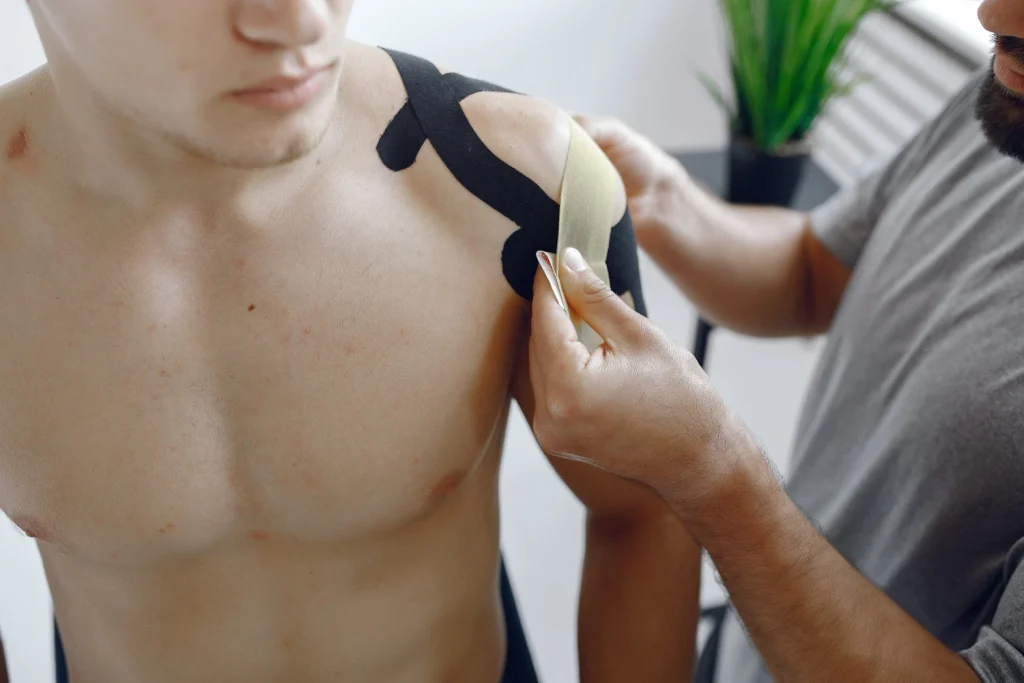
While Kinesio tape is widely available, proper application makes a big difference. DIY taping often fails because the tape is placed in the wrong direction, applied with too much stretch, or used without understanding the underlying cause of pain.
Tension and Direction
The effectiveness of Kinesio taping depends on several details, including:
- Where the anchor is placed
- The direction of the tape
- The percentage of stretch used
- The shape of the tape cut
- The movement pattern being supported
- The condition being treated
Too much tension can irritate the skin or restrict movement. Too little tension may not provide enough therapeutic benefit. A professional can apply the tape in a way that supports the body without creating unnecessary strain.
Holistic Recovery Planning
At Touchstone Chiropractic, taping is not treated as a quick fix. Instead, it is used as part of a holistic recovery plan. A specialist can assess the underlying musculoskeletal structure, identify movement issues, and determine whether Kinesio taping is appropriate for your condition.
The goal is not only to reduce swelling but also to address why the inflammation is happening in the first place. This may involve chiropractic adjustments, soft tissue work, corrective exercises, posture support, or custom orthotics.
Managing Referred Pain
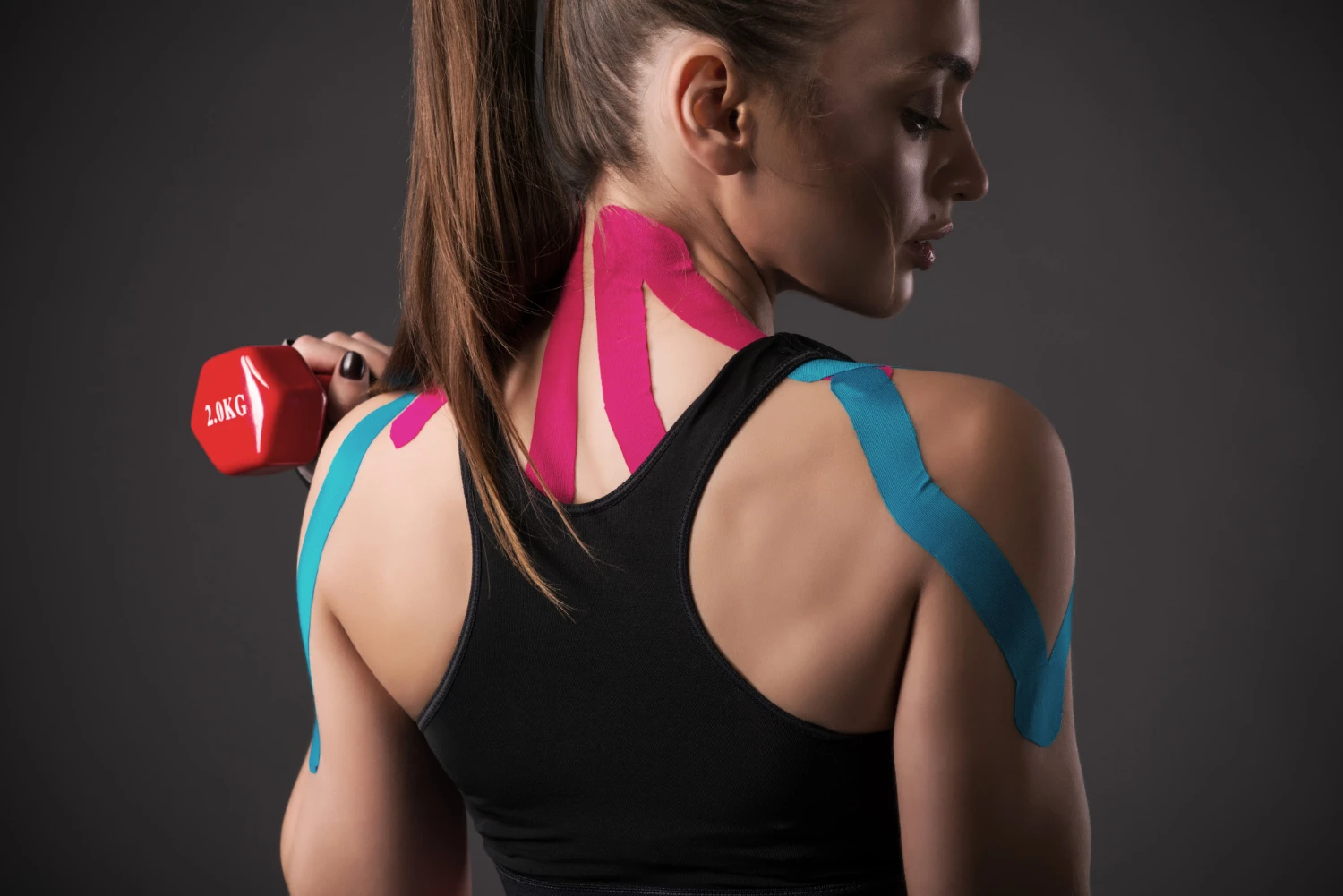
Inflammation in one area of the body can sometimes affect other areas. For example, foot or knee issues may contribute to hip and lower back discomfort. Tension in the shoulders or neck may also play a role in headaches and migraines.
By supporting the affected area and improving movement patterns, Kinesio taping may help reduce stress on surrounding muscles and joints.