That sharp first-step-in-the-morning heel pain is one of the most common signs of plantar fasciitis. It can feel like a stabbing pain under the heel or along the arch, especially after sleeping, sitting, or standing for long periods.
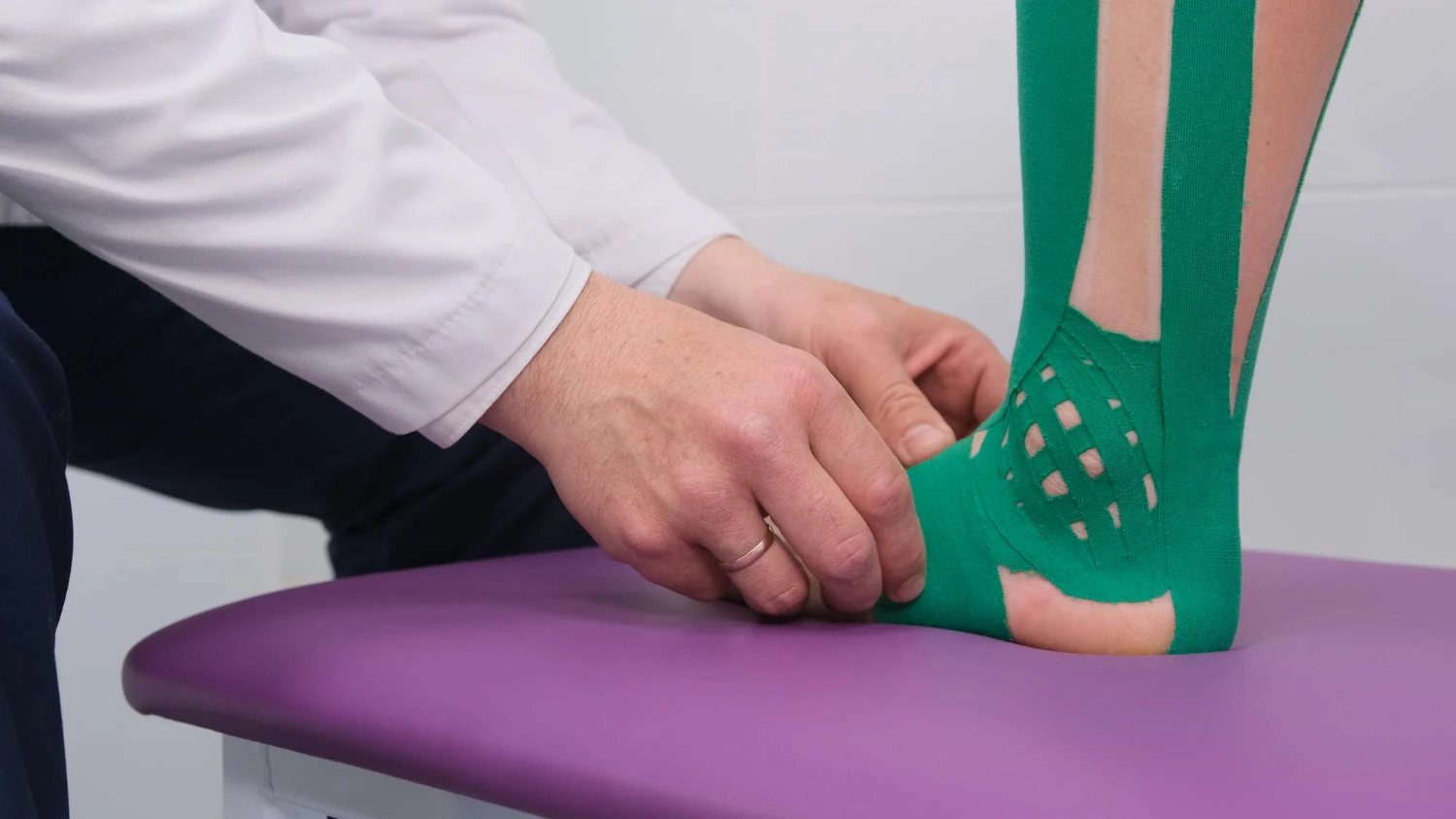
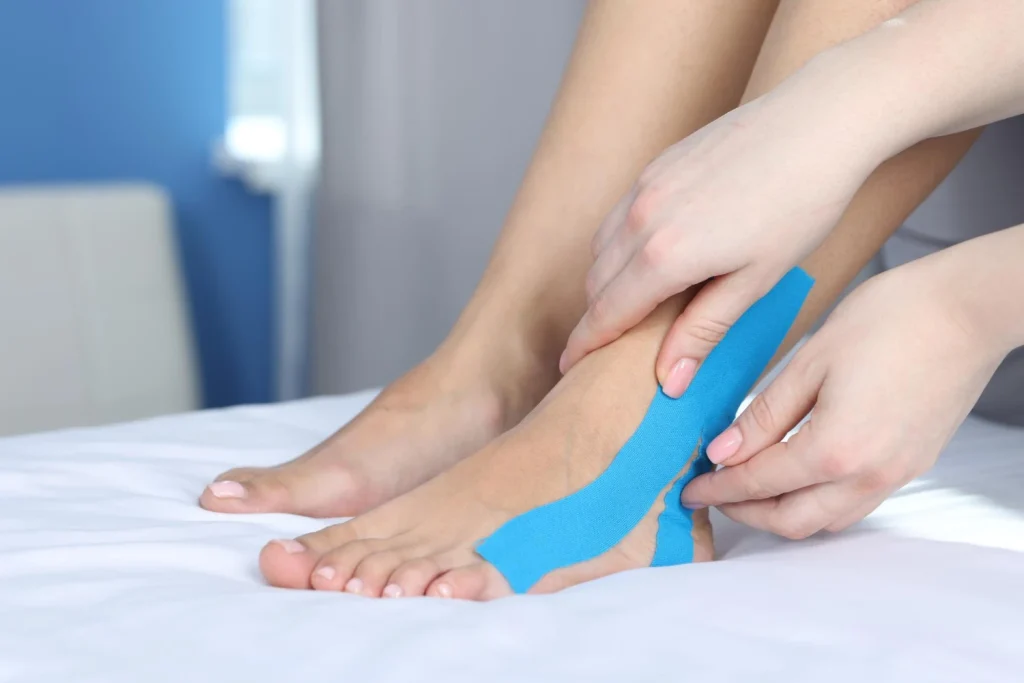
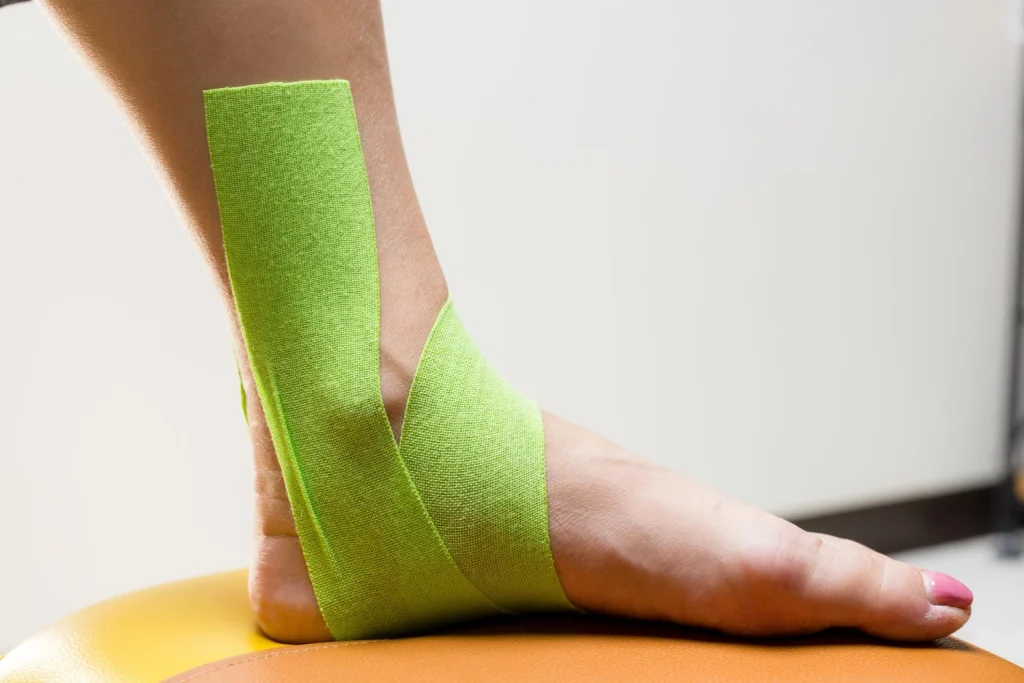
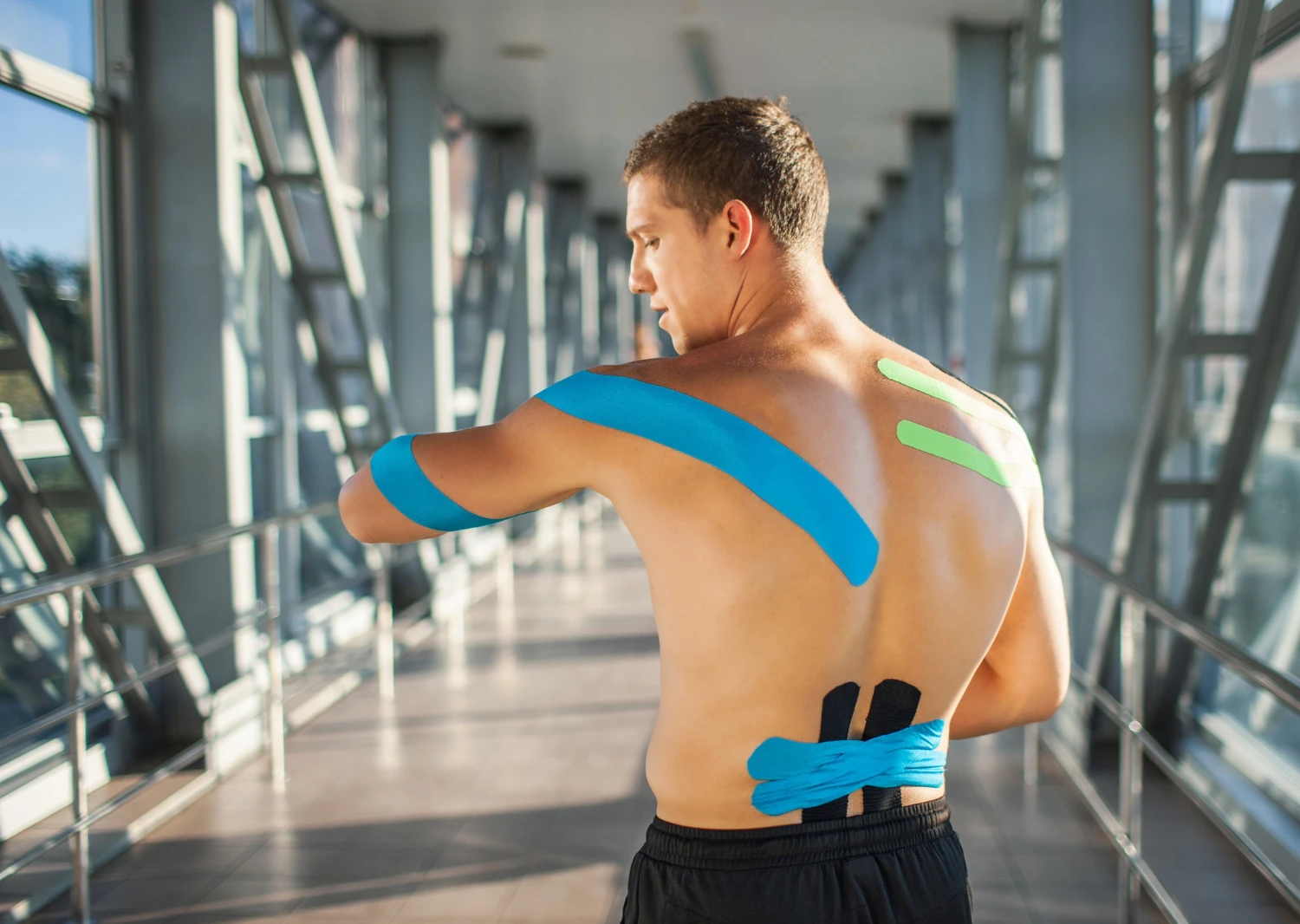
Taping is often used as a short-term support method for plantar fasciitis because it helps reduce strain on the plantar fascia. By supporting the arch and limiting excessive pulling on the heel, taping can mimic some of the fascia’s natural stabilizing function while you walk, stand, or move through your day.
Need Help? Talk to an expert
Why Taping Works for Heel Pain
The plantar fascia is a thick band of tissue that runs from the heel to the toes. It helps support the arch and absorbs stress during walking, running, and standing. When this tissue becomes irritated, overloaded, or inflamed, heel pain can develop.
Taping helps by improving the mechanics of support. A proper tape application may:
- Reduce strain on the plantar fascia
- Support the arch during weight-bearing movement
- Distribute pressure more evenly across the foot
- Limit excessive flattening of the arch
- Reduce pulling at the heel attachment point
- Provide short-term relief during daily activity
This is why taping is often used alongside stretching, strengthening, footwear changes, chiropractic care, and custom orthotics.
Essential Tools for the Job
Before taping your foot, it helps to choose the right type of tape. Different tapes serve different purposes, so your choice depends on whether you need firm support or flexible movement.
Choosing Your Tape
Zinc Oxide Athletic Tape:
This type of tape is best for rigid support. It is commonly used for Low-Dye taping because it helps limit excessive movement and provides firmer arch control.
Kinesiology Tape or KT Tape:
This tape is more elastic and flexible. It is often used when you want support without fully restricting movement. It may be more comfortable for longer wear during light activity, but it usually does not provide the same rigid support as athletic tape.
Preparation Tips
To help the tape stick properly:
- Wash and dry the foot before applying tape
- Avoid lotions, oils, or creams before taping
- Trim excess hair if needed for better adhesion
- Check the skin for cuts, blisters, or irritation
- Avoid taping over open wounds or broken skin
If you have diabetes, circulation problems, nerve issues, or sensitive skin, ask a healthcare professional before taping your foot.
Step-by-Step: The Low-Dye Taping Technique
The Low-Dye taping technique is commonly used for plantar fasciitis because it helps support the arch and reduce strain on the plantar fascia. The tape should feel supportive, not painful or restrictive.
Step 1: The Anchor Strips
Start by placing an anchor strip around the ball of the foot, also known as the metatarsal heads. This strip should wrap around the forefoot without squeezing the toes.
The anchor provides a base for the rest of the tape and helps secure the support pattern.
Step 2: The X-Pattern for Arch Support
Next, create a criss-cross pattern under the foot. Start near the base of the big toe, guide the tape diagonally across the arch toward the heel, then repeat from the opposite side.
This X-pattern helps reinforce the longitudinal arch and reduce stress along the plantar fascia. The tape should support the arch without forcing the foot into an uncomfortable position.
Step 3: Closing and Securing
After the X-pattern is in place, apply additional strips across the bottom of the foot to lock the tape in position. These closing strips help reinforce the arch and keep the support from shifting during movement.
Make sure the tape is snug but not tight. Your toes should remain their normal color, and you should not feel numbness, tingling, or throbbing.
Internal Link: When taping is not enough, consider custom orthotics for permanent alignment.
Pro Tips for Maximum Relief
Taping can be helpful, but only when applied correctly. Poor taping may cause irritation, restrict circulation, or fail to support the arch properly.
Do not over-tighten.
If your toes become blue, cold, numb, or tingly, remove the tape immediately. Taping should never cut off circulation.
Follow the 24-hour rule.
For rigid athletic tape, remove it after the day’s use or within 24 hours to let the skin breathe. Kinesiology tape may last longer depending on the brand and skin tolerance, but it should be removed if irritation occurs.
Combine taping with stretching and strengthening.
Taping can reduce stress on the foot, but long-term improvement often requires addressing calf tightness, ankle mobility, and lower-body strength.
Calf tightness is strongly connected to plantar fasciitis because the Achilles tendon and plantar fascia work together during walking and running. When the calves are tight, the heel and arch may absorb more stress.
Therapeutic exercise can help strengthen the posterior chain, including the calves, hamstrings, glutes, and lower back. This helps improve movement mechanics from the ground up.
When to See a Professional
If heel pain keeps returning, taping may not be enough. Chronic plantar fasciitis often points to deeper movement or alignment issues that need professional evaluation.
Signs of Chronic Issues
Consider scheduling an appointment if you experience:
- Pain lasting more than a few weeks
- Numbness or tingling in the foot
- Pain that radiates upward into the leg
- Heel pain that worsens despite rest
- Difficulty walking normally
- Pain that affects your knees, hips, or lower back
When foot pain changes how you walk, it can create stress in other areas of the body. An altered gait may contribute to ankle, knee, hip, or lower back pain over time.
At Touchstone Chiropractic, plantar fasciitis care may include foot and gait assessment, chiropractic care, mobility work, therapeutic exercise, taping guidance, and custom orthotics when needed. The goal is to support short-term relief while addressing the underlying cause of repeated strain.
Unexpected Connections
Foot imbalances can affect posture throughout the body. When the feet do not absorb force properly, the body may compensate through the knees, hips, spine, shoulders, and neck.
In some cases, these postural shifts may contribute to muscle tension that plays a role in headaches and migraines. This is why a full-body approach can be helpful, especially when foot pain is part of a larger movement pattern.
Conclusion
Taping can be a helpful short-term tool for plantar fasciitis relief. By supporting the arch, reducing strain on the plantar fascia, and improving comfort during movement, it may help you stay active while you work on longer-term recovery.
However, taping is only one tool in the shed. Stretching, strengthening, proper footwear, custom orthotics, and professional consultation may all play a role in lasting relief.
Struggling with heel pain or plantar fasciitis? Schedule a consultation with Touchstone Chiropractic today and learn whether taping, chiropractic care, or custom orthotics can help support your recovery.