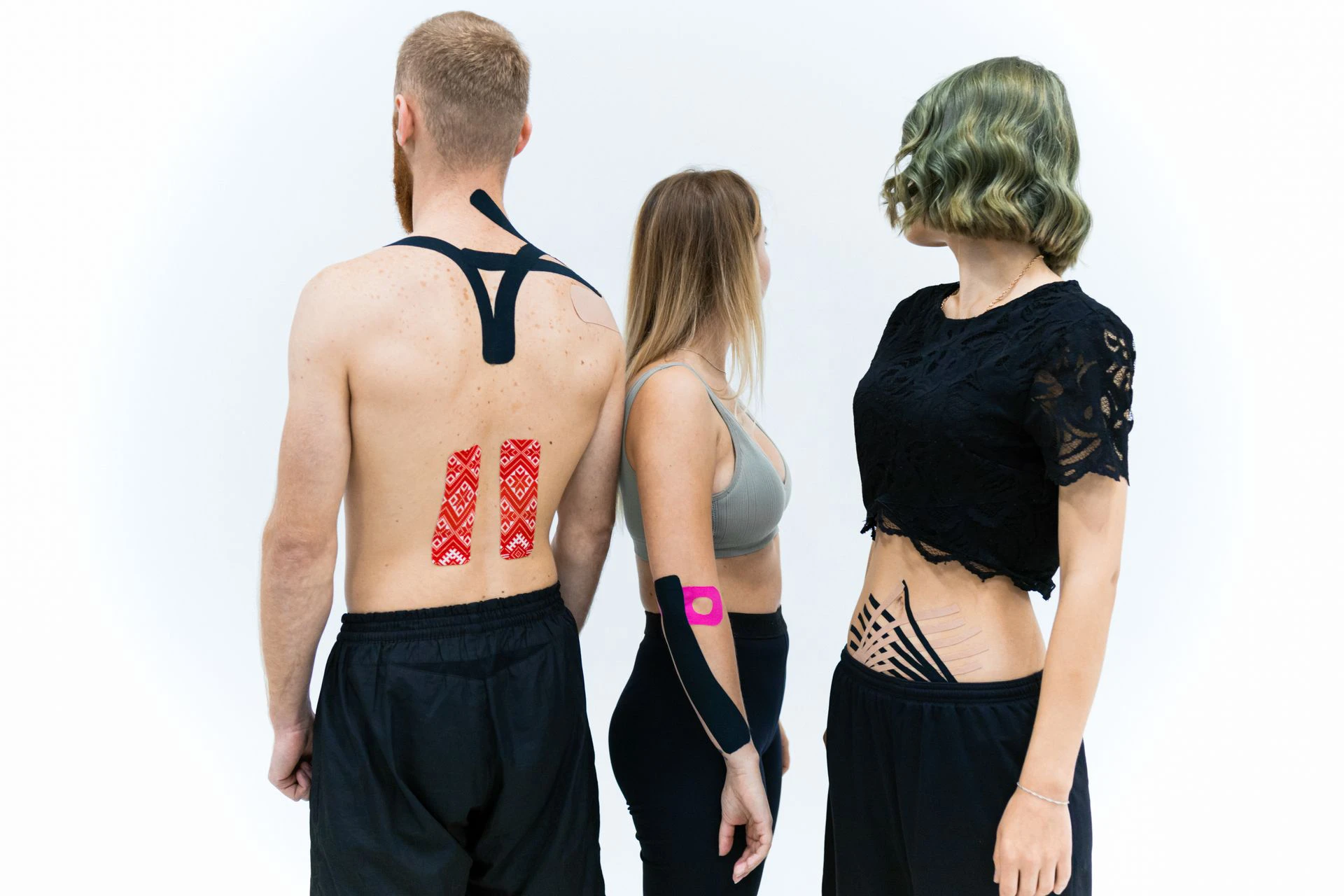
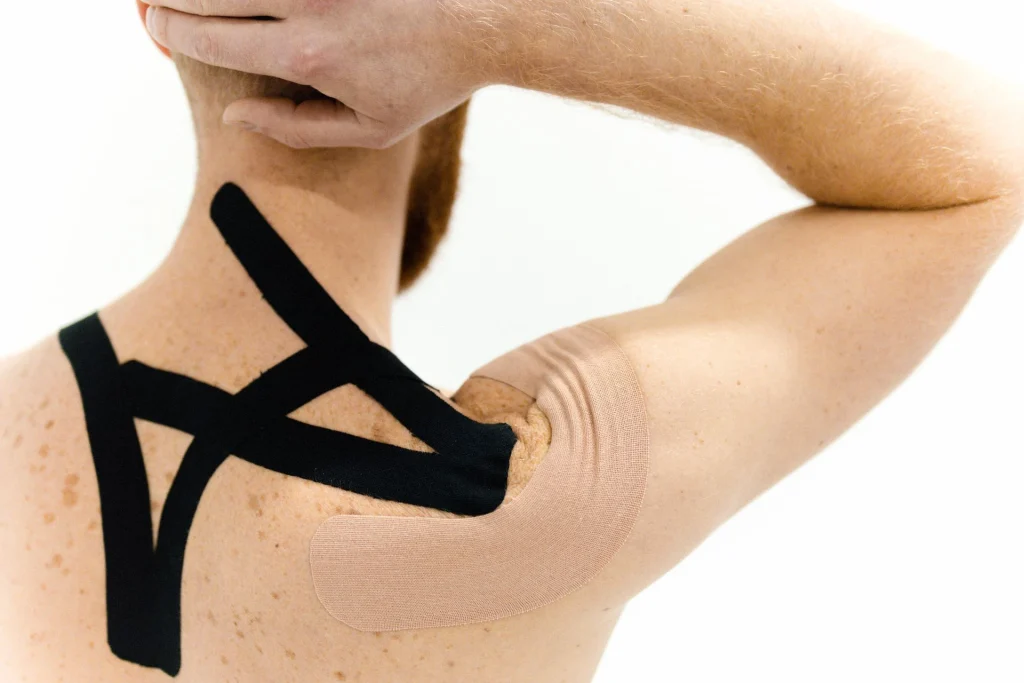
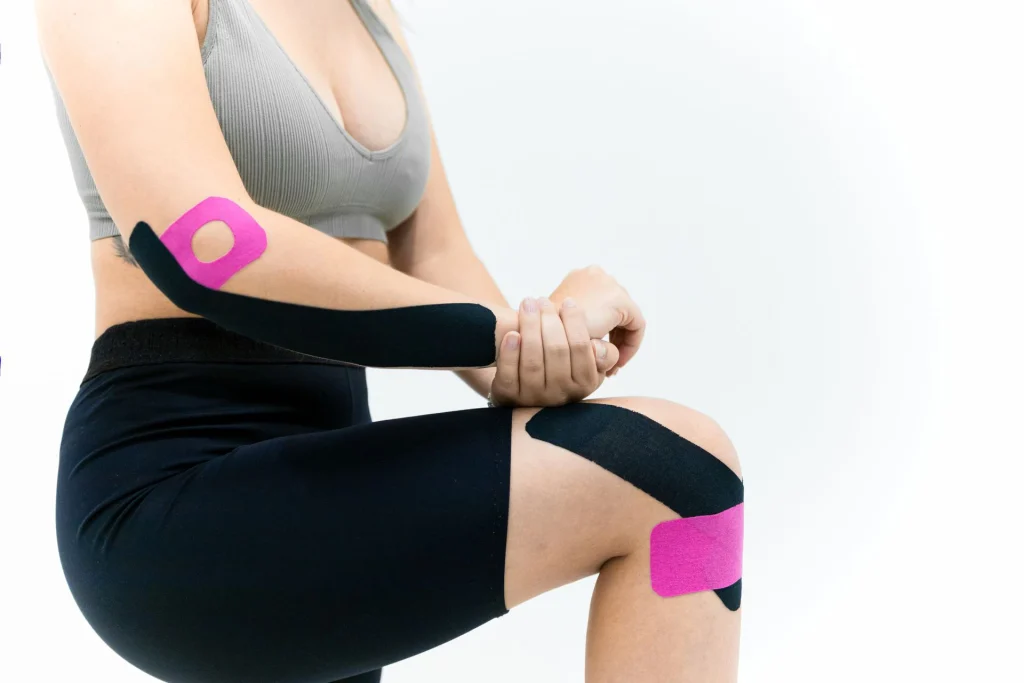
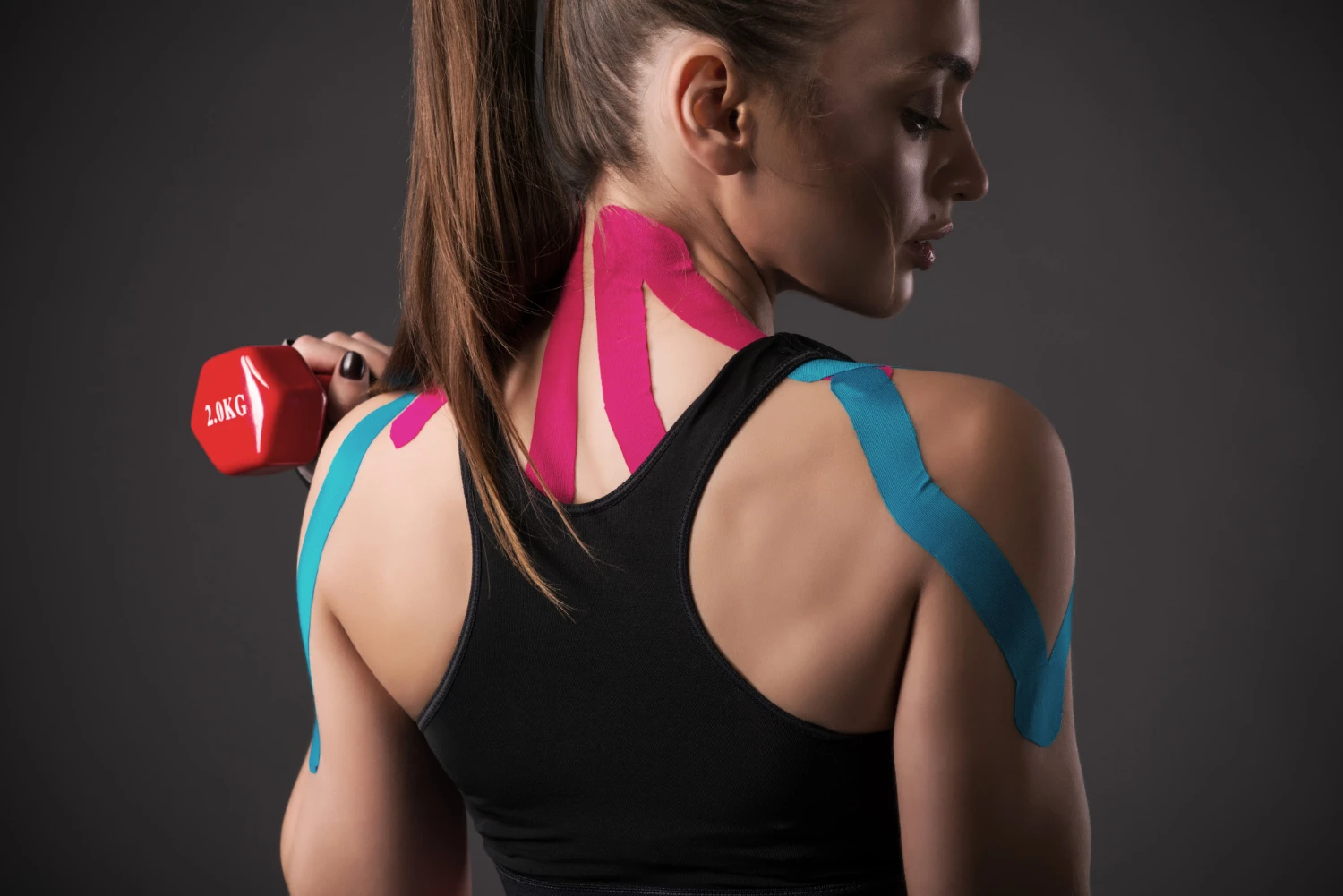
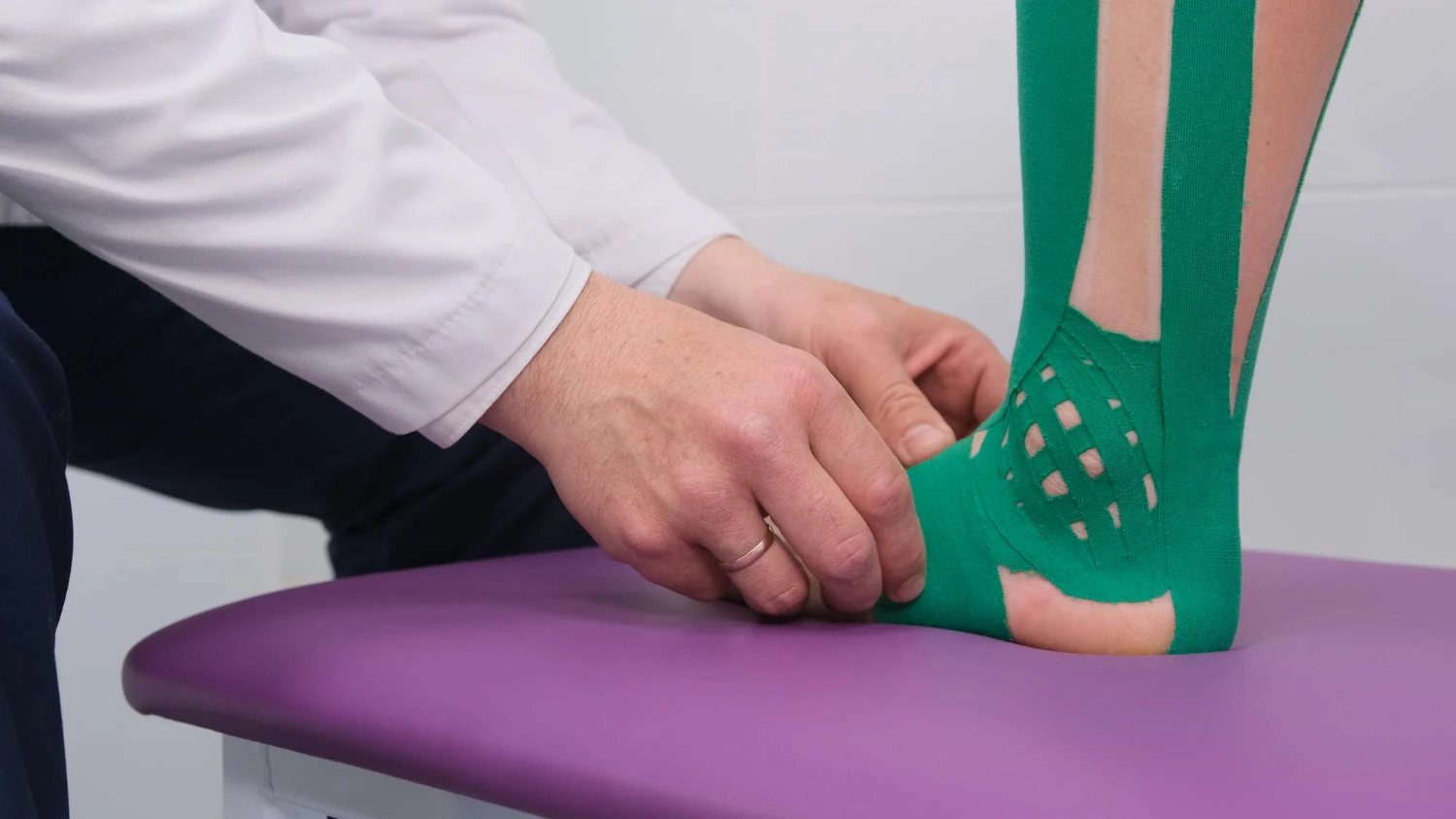
You have probably seen bright strips of tape across the shoulders, knees, backs, or legs of Olympic athletes, runners, and gym-goers. While kinesiology tape has become part of the modern athletic look, it is more than just a colorful accessory.
Kinesiology tape is an elastic, cotton-blend therapeutic tape with a skin-friendly acrylic adhesive. It is designed to move with the body, not lock it down. When applied correctly, it can be used as a functional tool for pain management, muscle support, swelling control, and neuromuscular re-education.
How Kinesiology Tape Actually Works
Unlike traditional athletic tape, which is often used to restrict motion, kinesiology tape is designed to support movement. Its stretch and flexibility allow the body to move naturally while still providing sensory feedback and light structural support.
Need Help? Talk to an expert
The Lifting Effect and Lymphatic Drainage
One of the most discussed benefits of kinesiology taping is the “lifting effect.” When applied to the skin, the tape may create a subtle microscopic lift. This can help increase the space between the skin and the tissues underneath.
This lifting effect may help by:
- Reducing pressure around irritated tissues
- Creating more room for fluid movement
- Supporting lymphatic drainage
- Improving local circulation
- Reducing pressure on pain-sensitive nerve endings
- Helping swollen or bruised areas feel less restricted
When the body is dealing with swelling, inflammation, or soft tissue irritation, pressure can build up in the area. Kinesiology tape may help reduce that pressure and encourage better movement of fluid away from the affected tissue.
Neuromuscular Feedback Proprioception
Kinesiology tape also works through proprioception, which is the body’s ability to sense position, movement, and control. The tape gently stimulates the skin and gives the brain a constant reminder of the area being supported.
This “reminder” effect may help tired, injured, or overworked muscles move with better coordination. For patients recovering from injury, this can be helpful because the tape encourages awareness without forcing the body into a rigid position.
Key Benefits for Athletes and Everyday Patients
Kinesiology taping is not only for professional athletes. It can also be useful for everyday patients dealing with back pain, neck tension, joint irritation, muscle strain, poor posture, or swelling after activity.
Pain Relief and Support
Kinesiology tape may help manage pain by reducing pressure on irritated tissues and improving body awareness. Because it does not fully restrict movement, it can support the body while still allowing normal range of motion.
For patients receiving back pain treatment, taping may provide gentle postural support between appointments. This can help reinforce better positioning throughout the day, especially during work, exercise, or daily movement.
Reducing Inflammation and Swelling
Swelling often happens when fluid collects around an injured or irritated area. Kinesiology tape may help support the body’s natural drainage process by encouraging movement of excess fluid and metabolic byproducts away from the affected tissue.
This may be helpful for conditions involving edema, bruising, soft tissue irritation, or post-activity inflammation. While tape is not a replacement for professional care, it can be a supportive tool during recovery.
Injury Prevention
Kinesiology tape may also be used to support weak or vulnerable joints during movement. Athletes often use it around the knees, ankles, shoulders, hips, or lower back to help maintain awareness and support during high-intensity activity.
For everyday patients, taping may help reduce strain during walking, lifting, bending, or repetitive movements. This makes it useful not only for recovery, but also for prevention and movement retraining.
Kinesiology Taping as Part of a Holistic Recovery Plan
Kinesiology taping works best when it is part of a complete treatment plan. The tape can support the body between visits, but long-term improvement usually requires addressing the cause of the pain or dysfunction.
Enhancing Chiropractic Results
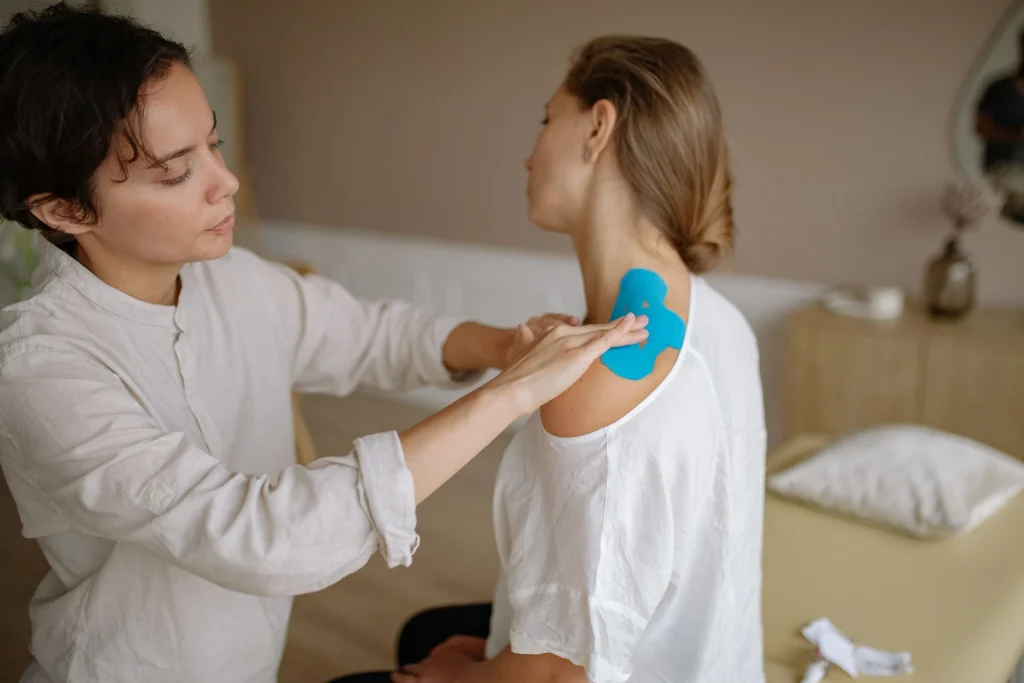
At Touchstone Chiropractic, kinesiology taping may be used to extend the benefits of chiropractic care between office visits. After an adjustment or mobility treatment, tape can help support better posture, joint positioning, and muscle activation.
It may be applied to the spine, shoulders, knees, ankles, or other areas depending on the patient’s condition. The goal is to provide support without limiting natural movement.
Synergistic Therapies
Corrective Movement
Kinesiology tape can be combined with therapeutic exercise to help patients maintain proper form. For example, tape may be used as a cue to keep the shoulders aligned, support knee tracking, or encourage better posture during movement.
Beyond the Muscles
Sometimes pain starts from the foundation of the body. Poor foot mechanics can affect the ankles, knees, hips, and lower back. In these cases, kinesiology taping may be paired with orthotics or other supportive strategies to improve alignment from the ground up.
Managing Tension
Taping may also be used to support areas affected by tension, especially around the neck, shoulders, and upper back. For some patients, reducing tension in these areas may help with discomfort that contributes to headaches and migraines.
Common Myths vs. Reality
Myth: The color of the tape determines its strength.
Reality: Tape color is purely aesthetic. Black, blue, pink, beige, and other colors generally work the same way unless the tape brand has a specific product variation.
Myth: You can apply kinesiology tape any way you want.
Reality: Direction, placement, and tension matter. A taping method for lymphatic drainage is different from a taping method for joint support or muscle activation.
Myth: Kinesiology tape fixes the injury by itself.
Reality: Tape is a support tool. It works best when combined with chiropractic care, corrective exercise, mobility work, and proper diagnosis.
Conclusion
Kinesiology tape is more than colorful strips worn by athletes. It is a versatile, non-invasive tool that may help support injury recovery, reduce swelling, improve movement awareness, and provide light support without restricting motion.
Whether you are an athlete, active adult, or patient recovering from pain or inflammation, proper taping can be a helpful part of your care plan.
Want to know if kinesiology taping is right for your condition? Schedule a consultation with Touchstone Chiropractic today and learn the proper application techniques for your specific recovery needs.