Understanding the Connection Between Alignment and Pain
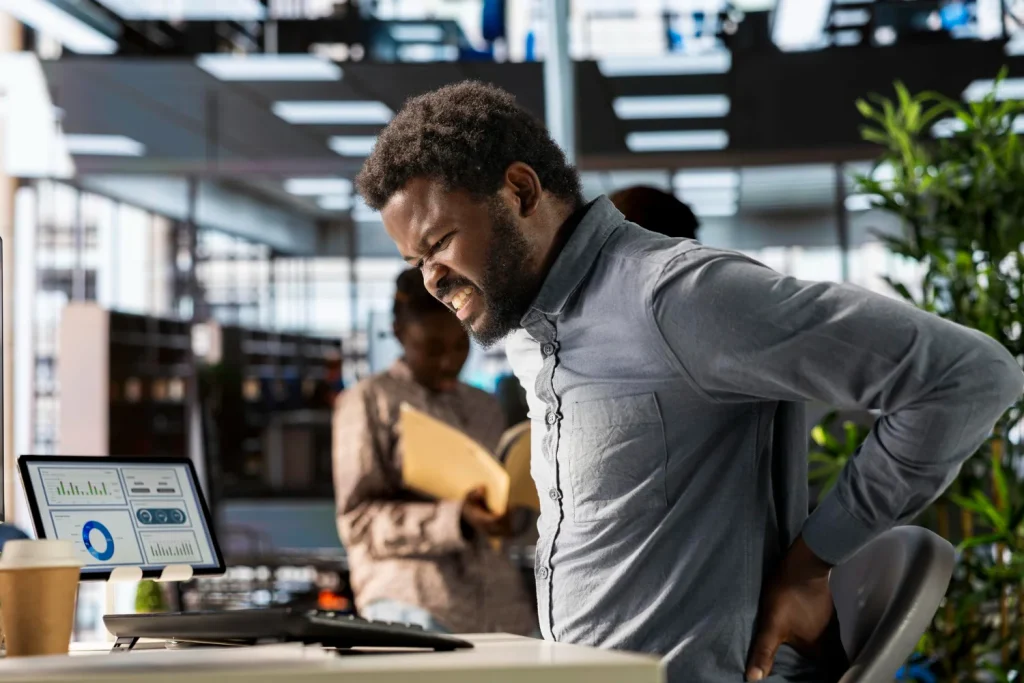
Lower back strain is one of the most common problems linked to modern sedentary lifestyles. Many people spend hours sitting at desks, looking down at phones, driving, or working from chairs that do not properly support the spine. Over time, these habits can change how the body carries weight and how the lower back absorbs stress.
Posture affects the spine because the body is designed to work best when the head, shoulders, spine, pelvis, hips, knees, and feet are aligned. When you slouch, the center of gravity shifts. This forces the muscles and joints of the lower back to work harder to keep you upright.
The result is often increased tension in the lumbar spine, tightness in surrounding muscles, and repeated strain on the soft tissues that support the lower back.
Need Help? Talk to an expert
Common Postural Culprits
Poor posture does not usually happen from one bad sitting position. It builds over time through repeated habits. These habits may seem small at first, but they can eventually place ongoing pressure on the lower back.
The “Tech Neck” Trickle Down
Tech neck happens when the head shifts forward while looking at a phone, tablet, or computer screen. While it may seem like a neck issue, forward head posture can affect the entire spine.
When the head moves forward, the upper back may round, the shoulders may roll inward, and the natural curves of the spine may change. This can create a chain reaction that affects the mid-back, pelvis, and lower back.
Over time, the lower back may compensate for these changes by tightening, overworking, or becoming more sensitive to movement.
Anterior Pelvic Tilt
Anterior pelvic tilt happens when the front of the pelvis tips forward and the lower back arch becomes exaggerated. This posture is often linked to tight hip flexors, weak glutes, and poor core control.
When the pelvis tilts forward, the lumbar spine may experience extra compression and strain. People with anterior pelvic tilt may notice lower back tightness after standing, walking, exercising, or sitting for long periods.
Sedentary Strain
Prolonged sitting is one of the biggest contributors to lower back strain. Sitting for long hours can tighten the hip flexors, weaken the core, and reduce circulation to the muscles that support the spine.
Non-ergonomic chairs can make the problem worse. Without proper lumbar support, the lower back may round or collapse, placing added pressure on the discs, joints, and muscles of the spine.
By the Numbers: The Impact of Back Pain in the US
Low back pain is not just a personal inconvenience. It is a major health and workplace issue. According to the National Institute of Neurological Disorders and Stroke, low back pain is one of the most common causes of job-related disability and a leading contributor to missed workdays. Approximately 80% of adults experience low back pain at some point in their lives.
These numbers show why posture and spinal health matter. Addressing lower back strain early can help reduce discomfort, improve daily mobility, and prevent small issues from becoming long-term limitations.
Proactive Solutions for Better Alignment
The good news is that posture can be improved. Better alignment starts with small daily changes, supported by professional care when needed.
Ergonomic Adjustments
Your workstation plays a major role in posture. A few simple changes can reduce strain on the lower back.
Setting Up Your Workstation
Try these adjustments:
- Keep your monitor at eye level
- Sit with your feet flat on the floor
- Use lumbar support for the natural curve of your lower back
- Keep your knees at about hip level
- Avoid leaning forward toward the screen
- Keep your keyboard and mouse close enough to prevent reaching
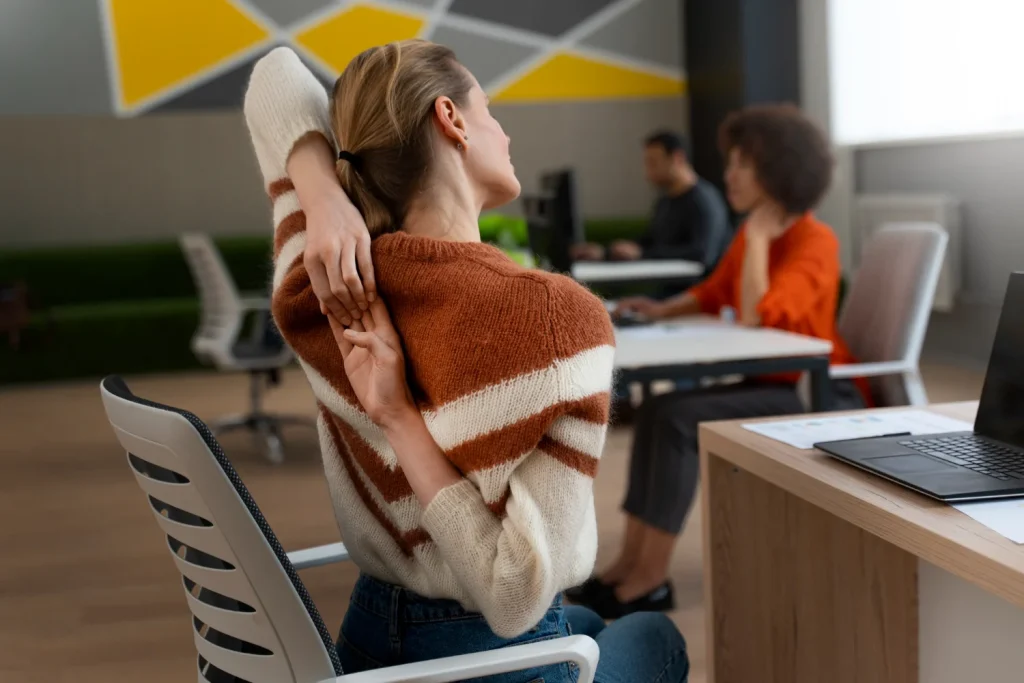
- Stand, stretch, or walk briefly throughout the day
Good ergonomics will not fix every back problem, but it can reduce repeated stress on the spine.
Professional Intervention
When lower back strain is caused by mechanical imbalances, professional evaluation can help identify the root issue. Chiropractic care may help address joint restrictions, posture-related strain, muscle imbalance, and spine-related conditions caused by chronic slouching.
At Touchstone Chiropractic, care may include spinal assessment, chiropractic adjustments, movement screening, posture education, corrective exercises, and supportive therapies. The goal is not only to reduce pain but also to improve how the spine and surrounding muscles function together.
Movement and Support
Movement is essential for spinal health. Even short “micro-breaks” during the day can help reduce stiffness and improve circulation. Standing up, stretching the hips, walking for a few minutes, or gently extending the spine can make a difference.
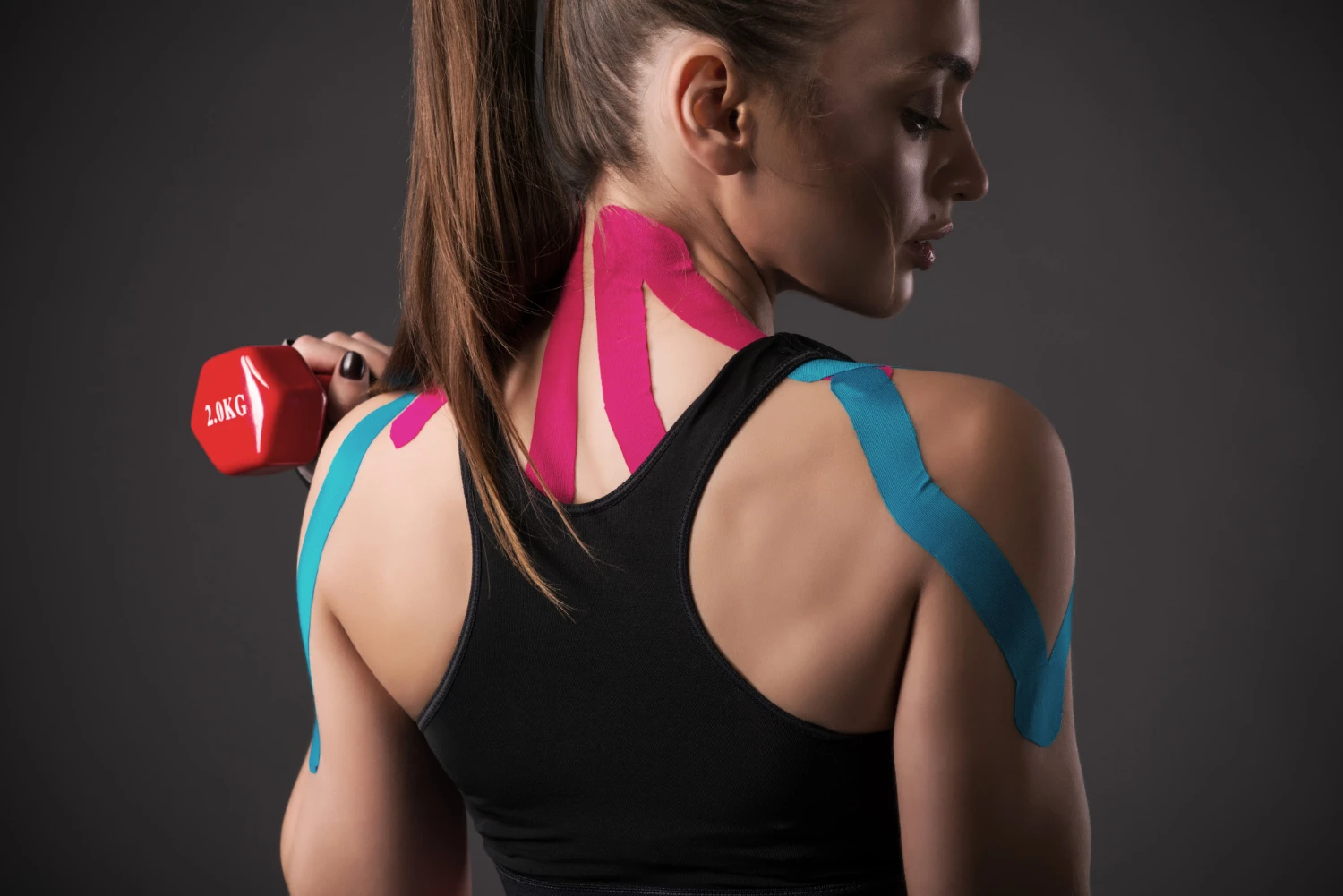
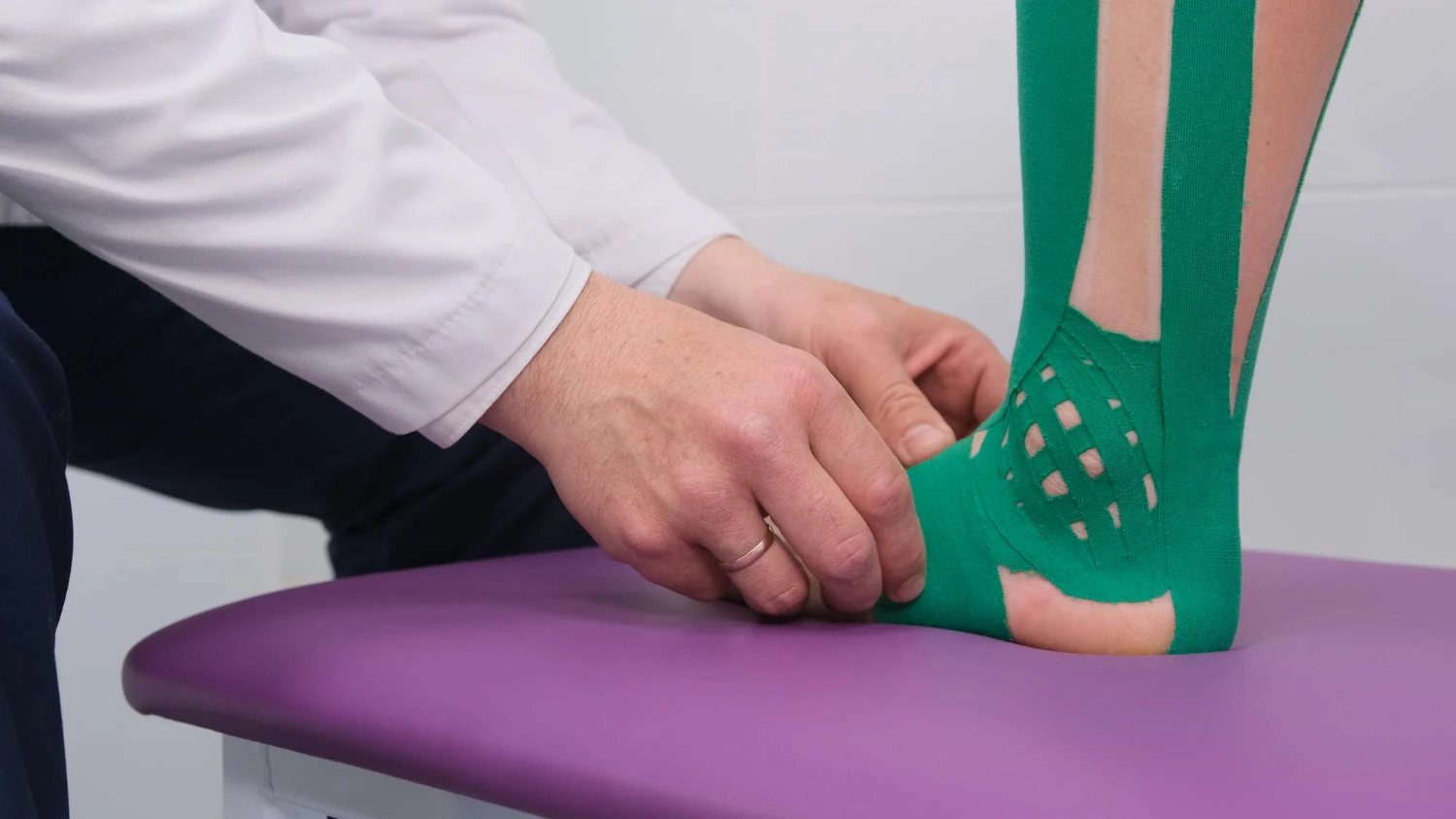
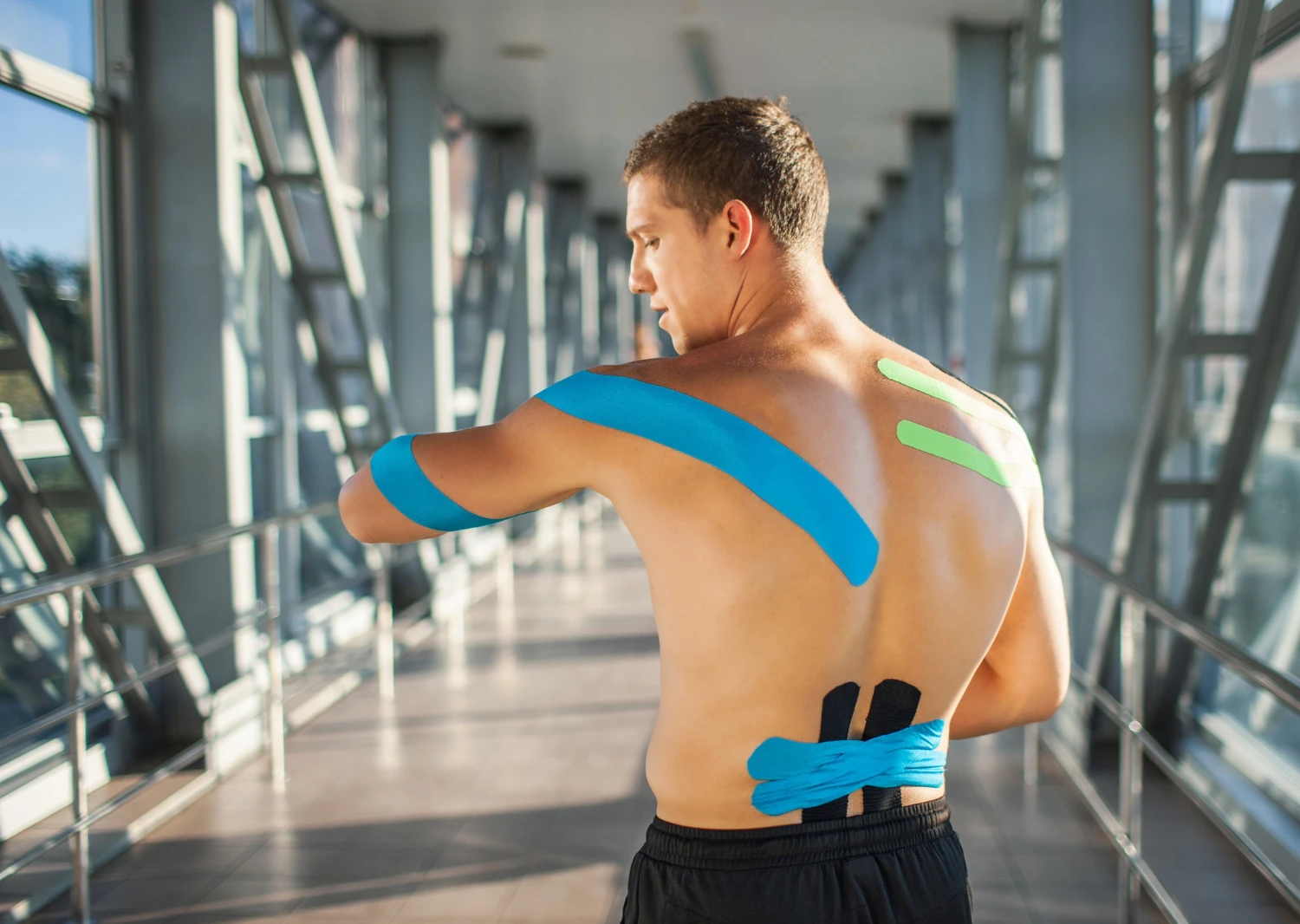
Kinesio taping may also be used as a postural cue. When applied professionally, tape can remind the body to maintain better positioning and may provide light muscle support without restricting movement.
When to See a Specialist
Some lower back strain improves with better posture, stretching, and activity changes. However, persistent or worsening symptoms should be evaluated.
You should consider seeing a specialist if you experience:
- Lower back pain that lasts more than a few weeks
- Pain that travels into the hip, buttock, or leg
- Numbness, tingling, or weakness
- Pain after a fall or injury
- Pain that worsens at night
- Difficulty standing, walking, or bending
- Loss of bladder or bowel control
Loss of bladder or bowel control, severe weakness, or numbness in the groin area should be treated as urgent symptoms and require immediate medical attention.
Touchstone Chiropractic can help evaluate posture-related lower back strain and determine whether chiropractic care, corrective exercise, taping, or other supportive therapies may be appropriate for your condition.
Frequently Asked Questions about Posture and Back Pain
Conclusion
Posture plays a major role in lower back strain. Slouching, forward head posture, anterior pelvic tilt, and prolonged sitting can all increase stress on the lumbar spine. The longer these patterns continue, the harder the lower back has to work.
The good news is that better alignment is possible. With ergonomic changes, regular movement, corrective exercises, and professional chiropractic care, you can reduce strain and support healthier spinal function.
Ready to fix your slouch and reduce lower back strain? Schedule a consultation with Touchstone Chiropractic today and take the first step toward better posture, stronger movement, and lasting relief.