Chiropractic adjustments are often misunderstood. For many people, the first thing that comes to mind is the sound of a joint “cracking.” But modern chiropractic care is not simply about making joints pop. It is about improving how the body moves, reducing mechanical stress, and supporting the connection between the spine, nervous system, muscles, and joints.
The body works as one integrated system. When the spine is restricted, irritated, or not moving properly, the effects can show up in many ways, including back pain, headaches, stiffness, reduced mobility, and poor movement patterns. At Touchstone Chiropractic, adjustments are used as part of a whole-body approach to help patients move better, feel better, and support long-term wellness.
Restoring Balance to the Central Nervous System
The central nervous system includes the brain and spinal cord. It helps control movement, coordination, posture, balance, and many everyday functions. Because the spine protects the spinal cord and supports the body’s structure, spinal movement plays an important role in overall function.
In chiropractic care, the term “subluxation” is often used to describe areas of spinal restriction, joint dysfunction, or altered movement. These areas may contribute to pain, stiffness, muscle tension, or nerve irritation.
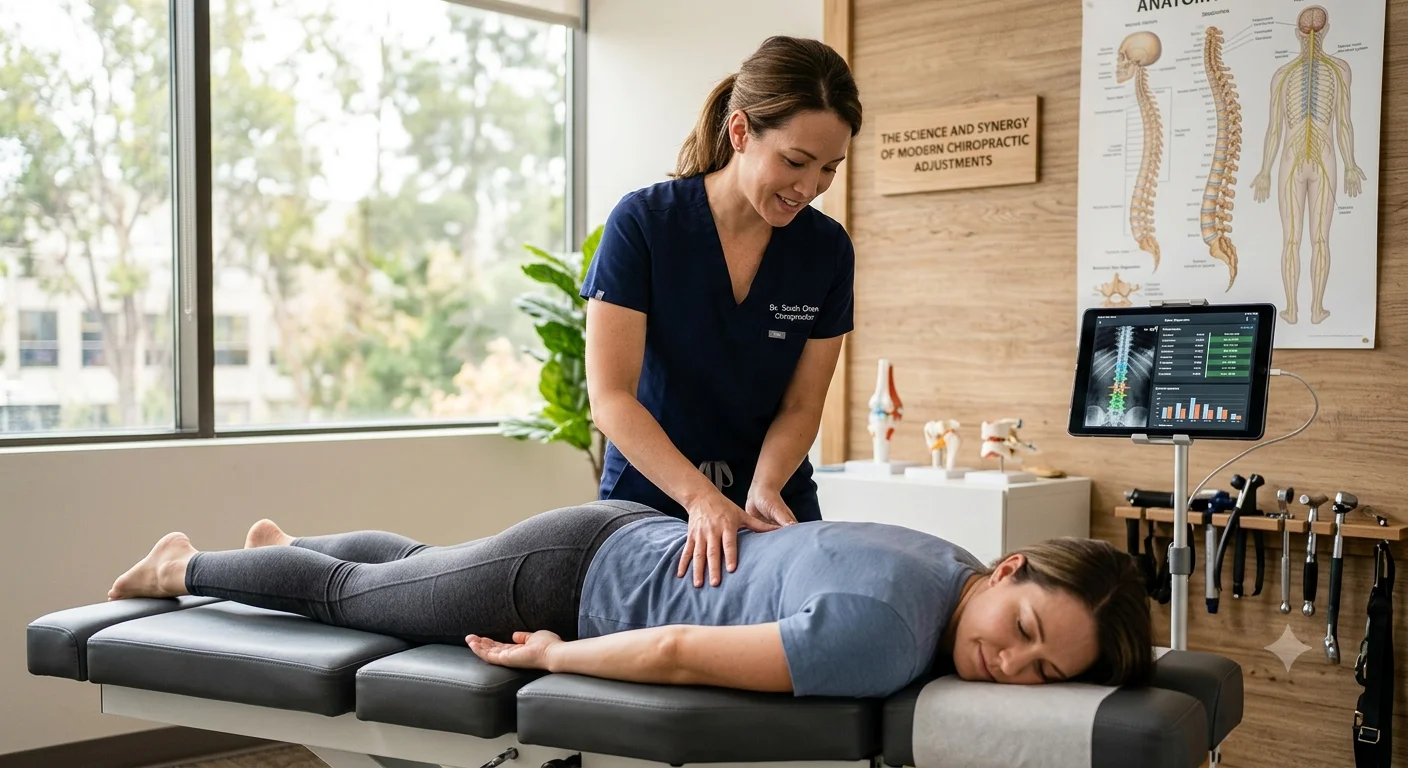
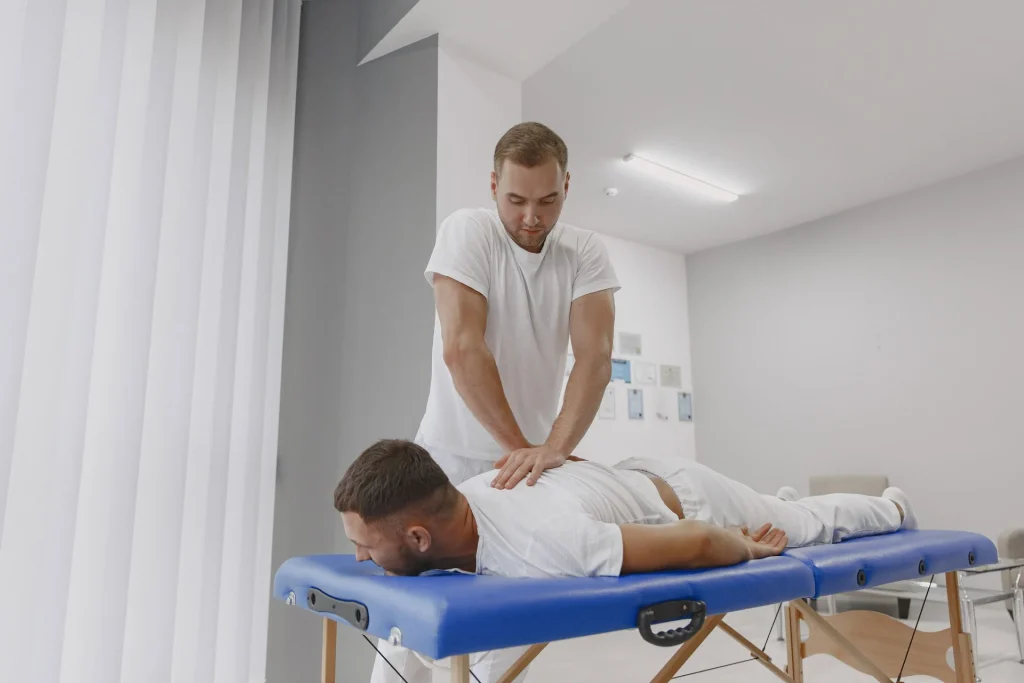
Manual manipulation, also known as a chiropractic adjustment, applies controlled force to specific joints. The goal is to improve joint motion, reduce mechanical restriction, and help the body move more efficiently. When the spine and surrounding tissues move better, the nervous system may also function with less irritation and stress.
Targeted Solutions for Common Ailments
Chiropractic adjustments may be used to support care for several common musculoskeletal concerns. While every patient is different, many people seek chiropractic care because pain or stiffness is interfering with daily life.
Erasing Chronic Back Pain
Back pain is one of the most common reasons people visit a chiropractor. Sedentary lifestyles, prolonged sitting, poor posture, repetitive lifting, weak core muscles, and stress can all contribute to spinal strain.
When the spine is not moving properly, surrounding muscles may tighten to compensate. Over time, this can create a cycle of stiffness, inflammation, and recurring discomfort.
Chiropractic adjustments may help improve spinal alignment, restore mobility, and reduce stress on irritated joints and soft tissues. For many patients, this provides a drug-free option for managing back pain and improving daily movement.
Relief for Headaches and Migraines
Headaches and migraines can have many triggers, including stress, dehydration, sleep issues, hormonal changes, visual strain, and muscle tension. For some patients, tension in the neck and upper back may also play a role.
The cervical spine, or neck region, is closely connected to the muscles and nerves that influence head and neck movement. When this area becomes stiff or irritated, it may contribute to tension-type headaches or cervicogenic headaches.
Chiropractic care may help by improving neck mobility, reducing muscle tension, and supporting better posture. Patients dealing with recurring headaches and migraines may benefit from a personalized evaluation to determine whether spinal tension is part of the problem.
The Holistic Path to Long-Term Mobility
Chiropractic care is not only reactive. It is not limited to fixing pain after it appears. A holistic approach focuses on proactive care, helping the body maintain better mobility, balance, and function over time.
Regular chiropractic care may support better movement habits, reduce recurring strain, and help patients stay active. This is especially important for people who sit for long hours, work physically demanding jobs, play sports, or deal with chronic stiffness.
The goal is not just temporary relief. The goal is to help the body function better so patients can move with more confidence and less restriction.
Integrating Corrective Movements
Adjustments often work best when paired with movement-based rehabilitation. If the spine is adjusted but the same poor movement patterns continue, discomfort may return.
That is why therapeutic exercise can be an important part of care. Corrective movements may help strengthen weak muscles, improve posture, restore balance, and support the results of chiropractic adjustments.
These exercises may focus on the core, hips, shoulders, neck, or lower back, depending on the patient’s needs. Over time, better movement patterns can reduce repeated stress on the spine.
Foundation and Support: The Role of the Feet
The feet are the foundation of the body. When foot mechanics are off, the effects can travel upward through the ankles, knees, hips, pelvis, and spine.
Flat feet, overpronation, poor arch support, or uneven weight distribution may contribute to lower back strain, hip discomfort, knee pain, or postural imbalance. This is known as a kinetic chain reaction.
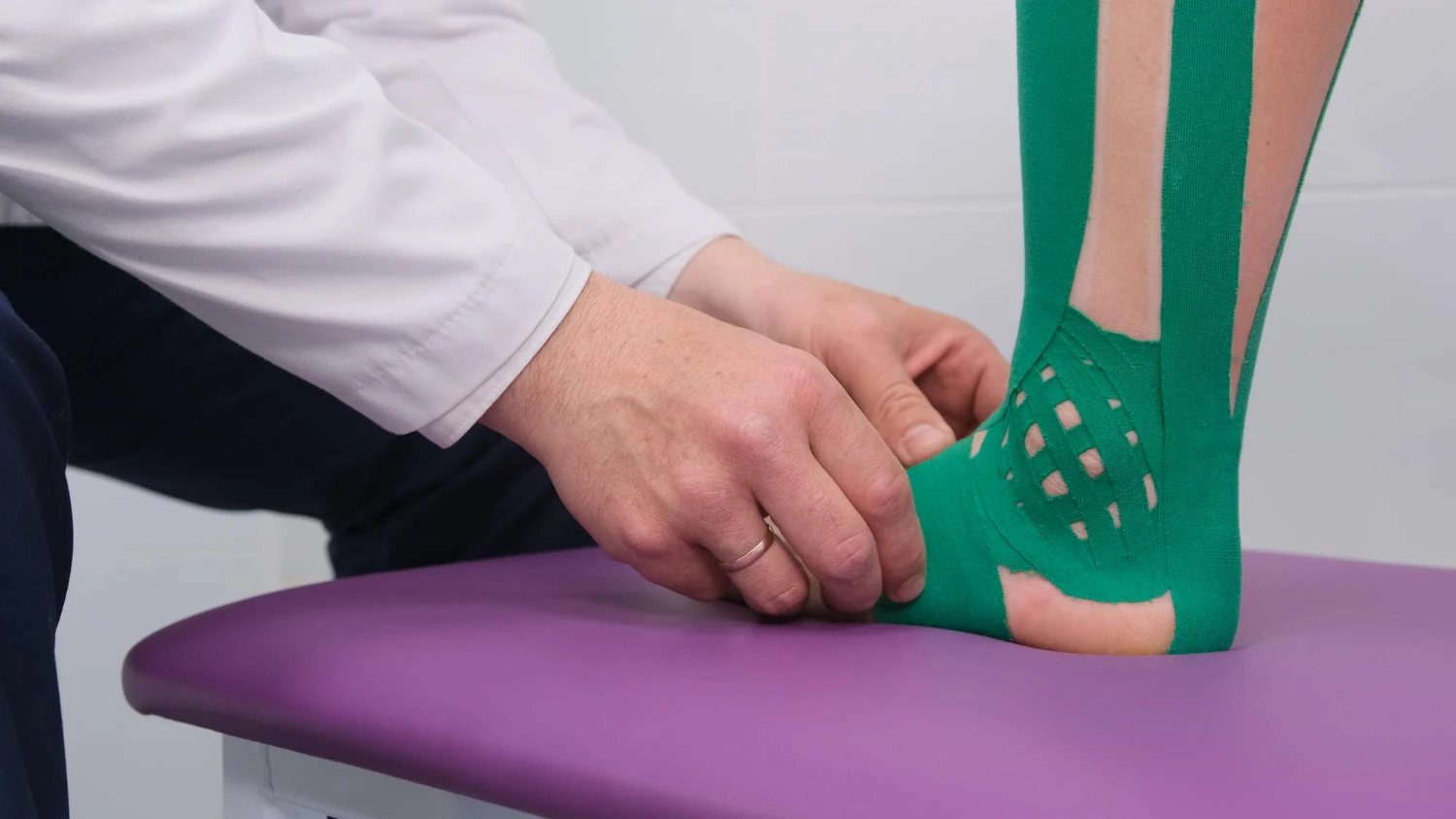
For some patients, custom orthotics may help support better alignment from the ground up. When combined with chiropractic care, orthotics may reduce repetitive stress and help the body maintain better posture during walking, standing, and daily movement.
What to Expect During Your Initial Consultation
For first-time patients, visiting a chiropractor can feel unfamiliar. A professional consultation helps remove the guesswork and ensures your care plan is based on your specific condition.
Your first visit may include:
- A review of your health history
- Discussion of your symptoms and lifestyle
- Posture analysis
- Range-of-motion testing
- Palpation to identify restricted or tender areas
- Orthopedic or neurological screening when needed
- A personalized treatment recommendation
The goal is to understand what is causing your discomfort and determine whether chiropractic care is appropriate for your needs.
The Diversified Technique
The Diversified Technique is one of the most commonly used chiropractic methods. It involves a specific, controlled adjustment designed to restore movement to restricted joints. This technique may produce the familiar popping sound, which is usually caused by gas release within the joint.
The Activator Method
The Activator Method uses a small handheld instrument to deliver a gentle, targeted impulse to a specific area. This approach may be helpful for patients who prefer a lower-force technique or need a more precise adjustment style.
Drop-Table Adjustments
Drop-table adjustments use a specialized chiropractic table with sections that gently drop during the adjustment. This allows the chiropractor to apply a controlled force while the table helps assist the movement. It can be useful for patients who need a comfortable and supportive adjustment approach.