Understanding Sciatica: More Than Just Back Pain
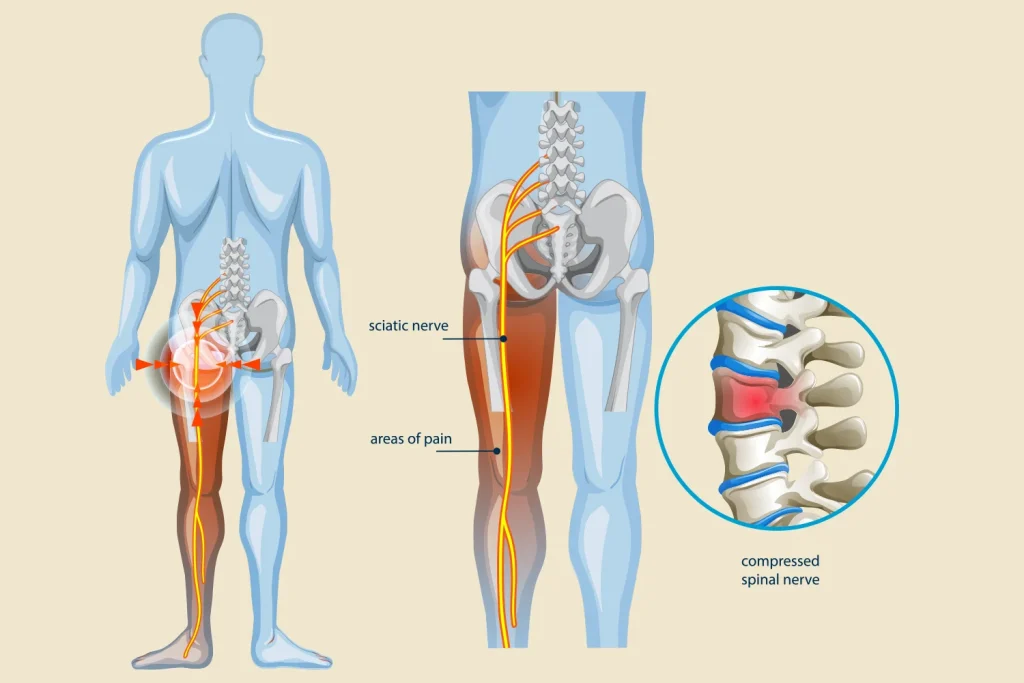
Sciatica is often described as back pain, but it is more accurately a symptom of nerve irritation or compression. It is not a standalone disease. Sciatica usually happens when pressure is placed on the sciatic nerve or the nerve roots that form it, often due to a herniated disc, spinal restriction, inflammation, muscle tension, or other spine-related conditions.
The sciatic nerve is the longest and widest nerve in the human body. It runs from the lower spine through the buttocks and down the back of each leg. When this nerve becomes irritated, the pain can travel far beyond the lower back.
According to the National Institutes of Health, approximately 10% to 40% of the population may experience sciatica at some point in their lifetime. Because it can affect walking, sitting, standing, and sleeping, early evaluation is important.
Common Symptoms and Red Flags
Sciatica symptoms can vary from mild discomfort to intense radiating pain. Some people feel symptoms only in the lower back or buttock, while others feel pain that travels all the way down the leg.
The “Classic” Sciatic Sensation
Common symptoms may include:
- Radiating pain from the lower spine to the buttock and leg
- Burning, sharp, or electric-like pain
- Numbness or tingling
- “Pins and needles” sensations
- Muscle weakness in the leg or foot
- Pain that worsens with sitting, bending, coughing, or sneezing
Sciatica usually affects one side of the body, though the severity and location of symptoms can change depending on the cause of nerve irritation.
When to Seek Immediate Care
Some symptoms may signal a more serious condition. Seek immediate medical attention if you experience sudden severe pain, loss of bladder or bowel control, numbness in the groin or saddle area, rapidly worsening weakness, or difficulty walking.
These red flags may point to significant nerve compression that needs urgent evaluation.
Dealing with shooting leg pain or numbness? Schedule a consultation with Touchstone Rehabilitation & Health Center to get properly evaluated.
Need Help? Talk to an expert
How Chiropractic Care Targets the Root Cause
At Touchstone Chiropractic Center, the goal is not just to manage symptoms temporarily. The focus is on identifying the source of nerve irritation and creating a care plan that supports better spinal movement, reduced pressure, and long-term function.
Chiropractic care may help when sciatica is related to spinal joint restriction, disc irritation, posture problems, muscle imbalance, or movement dysfunction.
Spinal Adjustments Manual Manipulation
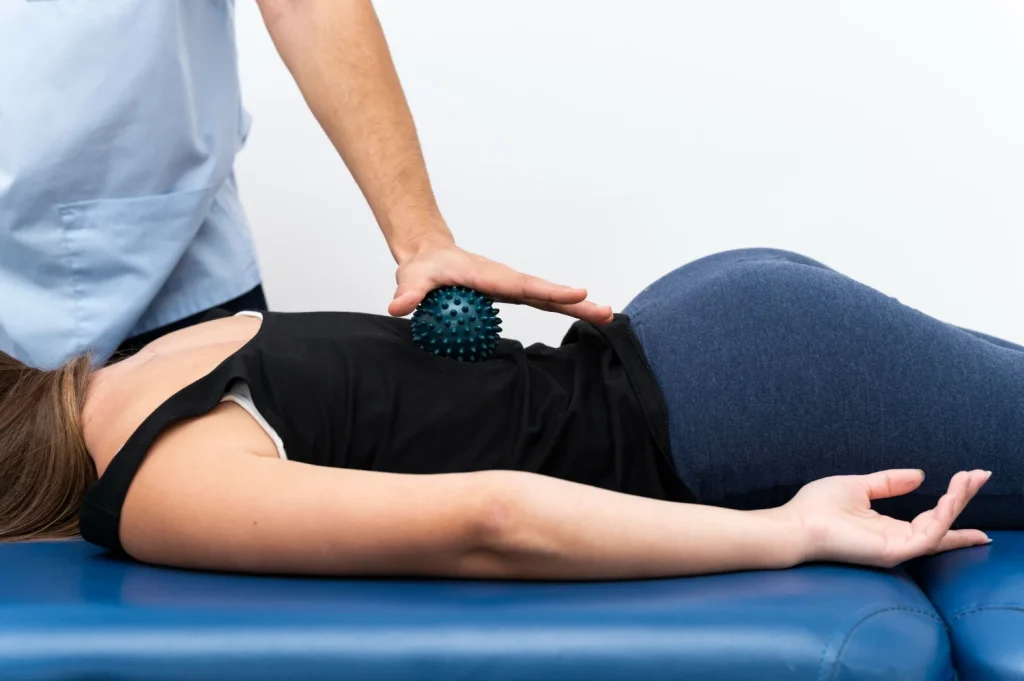
Chiropractic adjustments and manual manipulation are used to improve spinal mobility and reduce mechanical stress around irritated areas. When the spine is not moving properly, nearby muscles and joints may compensate, which can increase pressure around sensitive nerves.
Targeted adjustments may help improve alignment, restore joint motion, and reduce tension that contributes to sciatic nerve irritation. The goal is not to force the body into position, but to help it move more efficiently and comfortably.
Specialized chiropractic care may also support better posture, balance, and spinal health, which are important for preventing recurring flare-ups.
Beyond the Adjustment: Integrative Therapies
Sciatica often responds best to a complete care plan. Chiropractic adjustments may be combined with supportive therapies that help reduce inflammation, improve movement patterns, and strengthen the body.
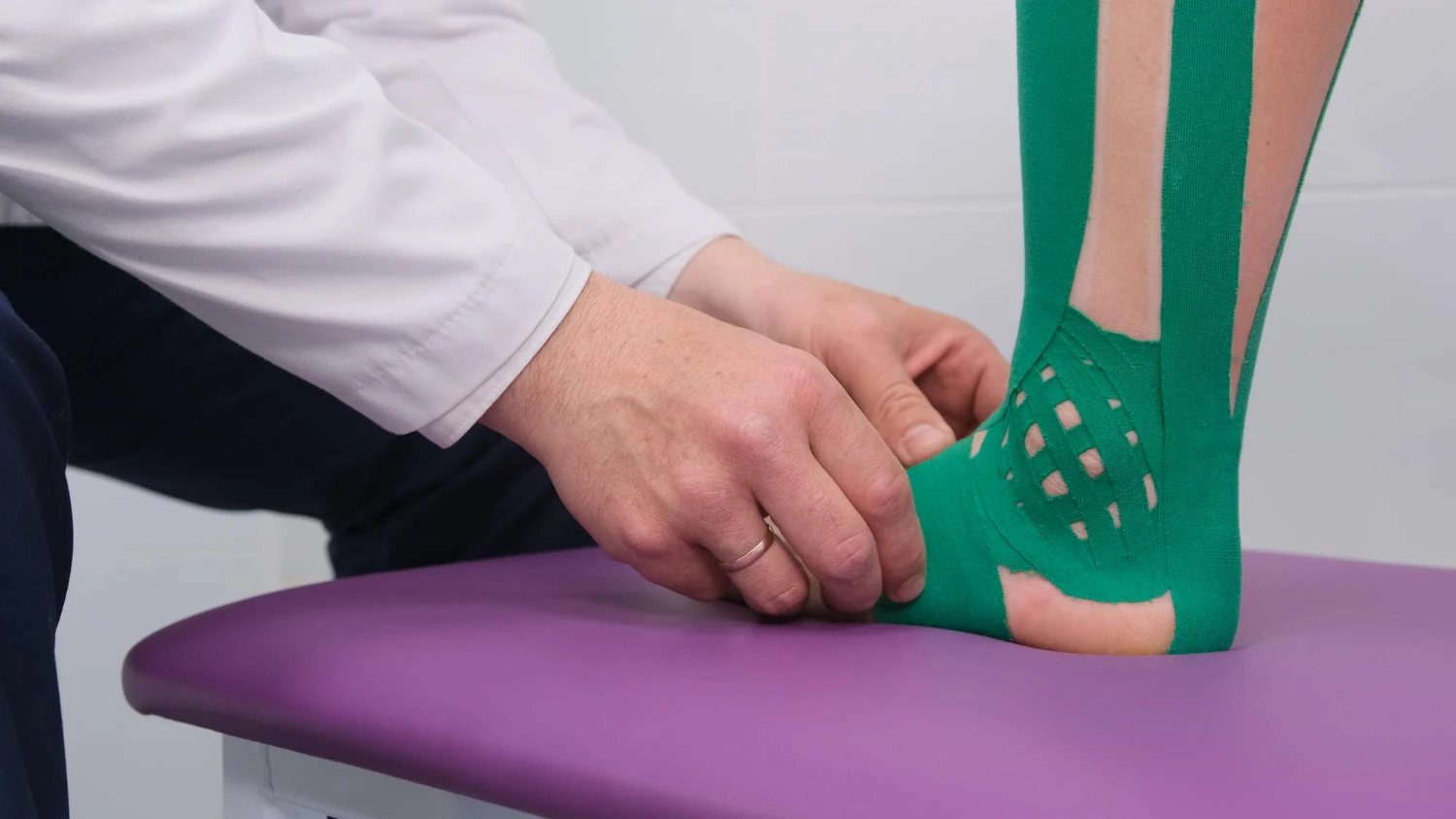
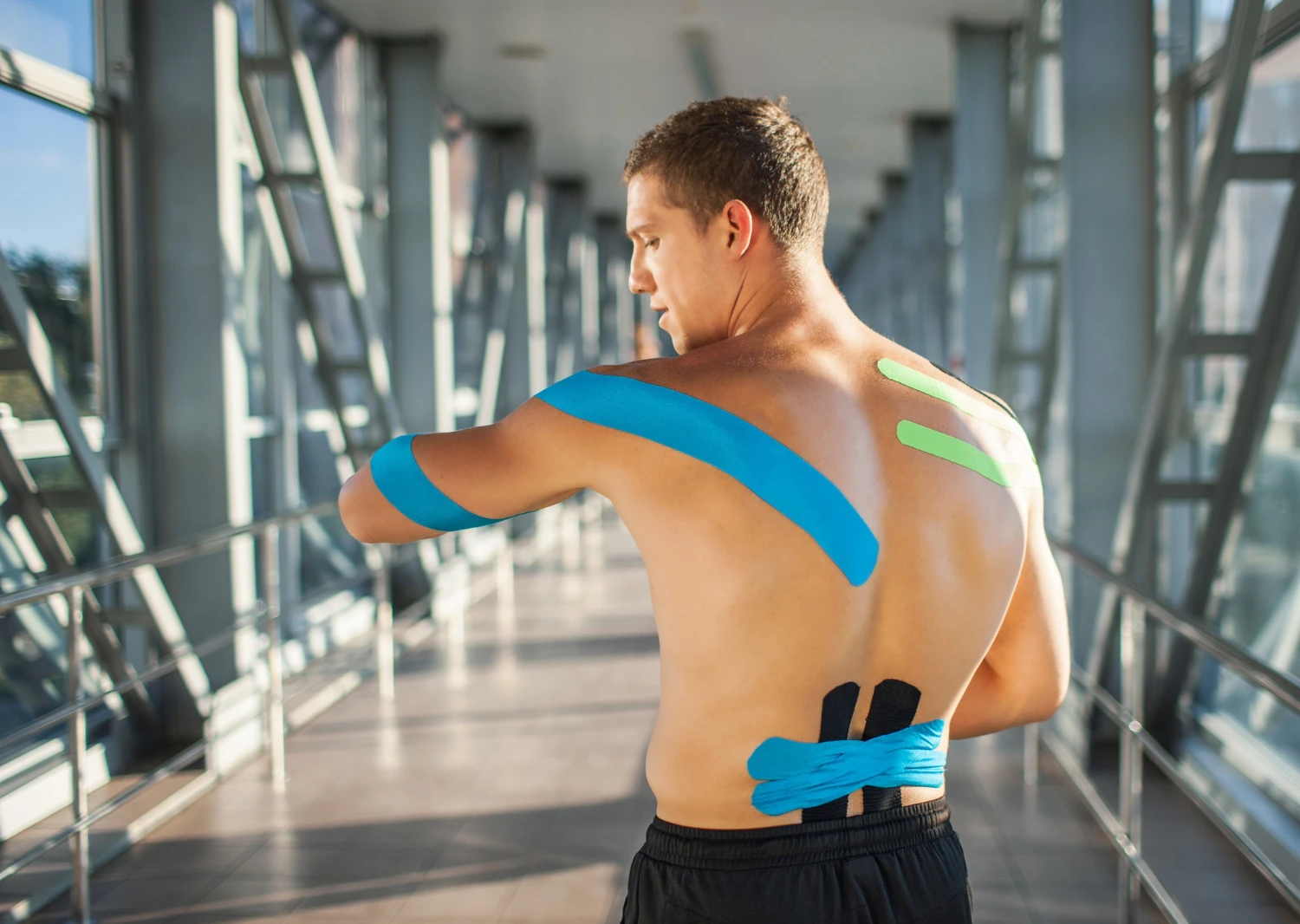
Kinesio Taping
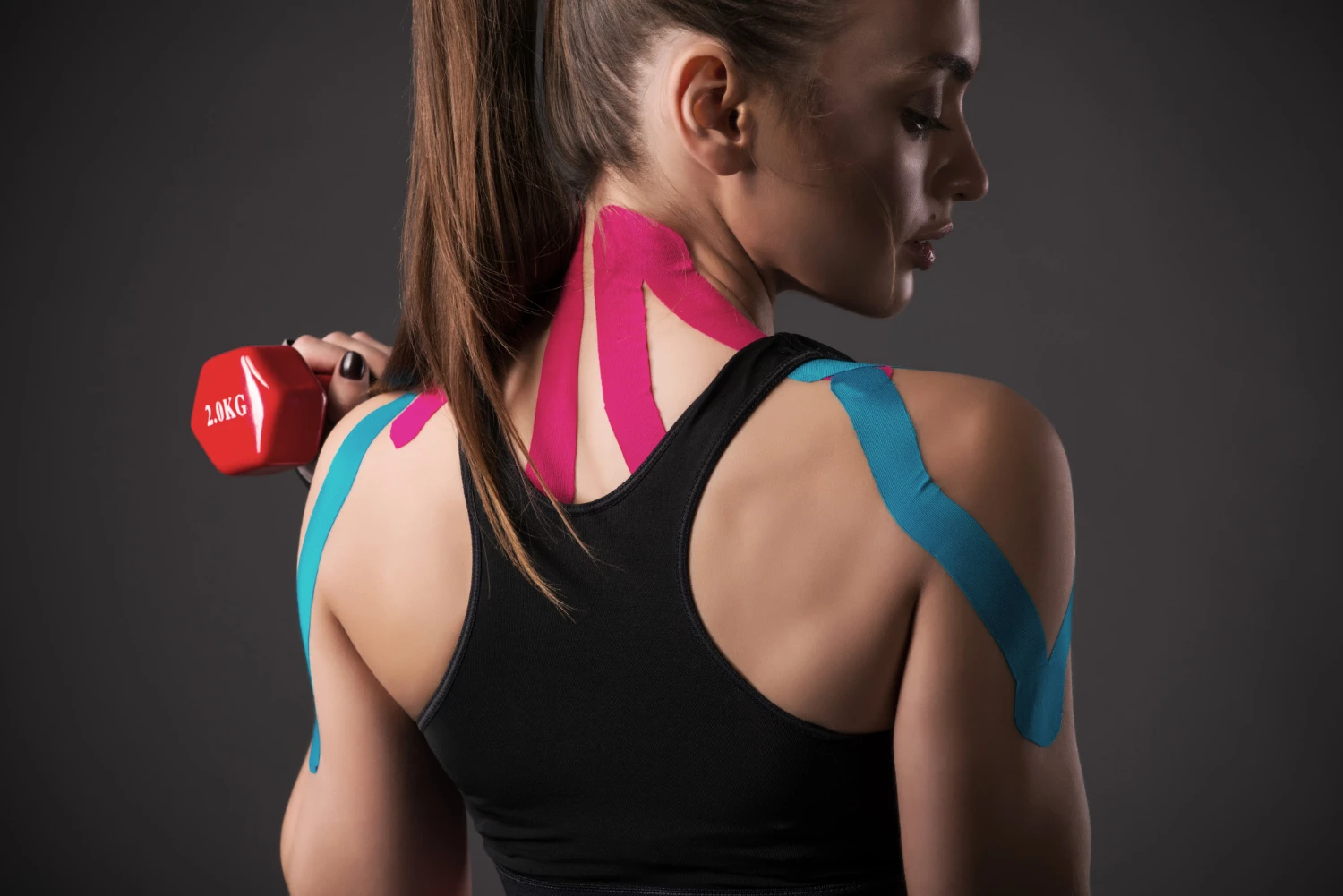
Kinesio taping may provide light structural support without restricting normal movement. For sciatica-related discomfort, taping may be used to support the lower back, hip, or surrounding muscles. It may also help reduce strain, improve body awareness, and support inflamed or irritated tissues during daily activity.
Corrective Exercises
Corrective exercises are important for long-term relief. Strengthening the core, hips, glutes, and lower back can help support the spine and reduce the chance of future flare-ups.
A personalized exercise plan may focus on improving posture, hip mobility, spinal stability, and movement mechanics. This is especially important for patients whose sciatica is connected to prolonged sitting, repetitive lifting, poor posture, or spine-related conditions.
Why Choose a Non-Invasive Path First?
Many sciatica cases can improve without surgery. A non-invasive approach may include chiropractic care, physical therapy, stretching, strengthening, posture correction, lifestyle adjustments, and supportive therapies.
Compared to surgery or long-term medication use, conservative care focuses on helping the body recover while reducing unnecessary risks. Medication may help manage pain temporarily, but it does not always address the mechanical source of nerve irritation. Surgery may be necessary in some severe cases, but it is often considered after conservative options have been explored, unless red-flag symptoms are present.
Research and public health guidance support the use of non-drug options for many types of musculoskeletal pain. This makes chiropractic care and rehabilitation a practical first step for many people with lower back and radiating leg pain.0
Frequently Asked Questions (FAQ)
Conclusion: Taking the First Step Toward Relief
Sciatica can affect more than your back. It can limit your mobility, disrupt your routine, and make simple daily activities difficult. The good news is that many cases can be managed with a conservative, non-invasive approach.
Chiropractic care may help reduce mechanical stress, improve spinal movement, support nerve function, and strengthen the body through corrective exercise and integrative therapies. With the right plan, you can address the source of radiating pain instead of only masking symptoms.
Do not ignore shooting leg pain, numbness, or recurring lower back discomfort. Visit Touchstone Rehabilitation & Health Center today for a personalized sciatica evaluation and a care plan designed around your needs.