Services
Chiropractic Care
- 427 Chestnut Street, Union, New Jersey 07083
- touchstonechiropractic@yahoo.com
- (908) 810-7424
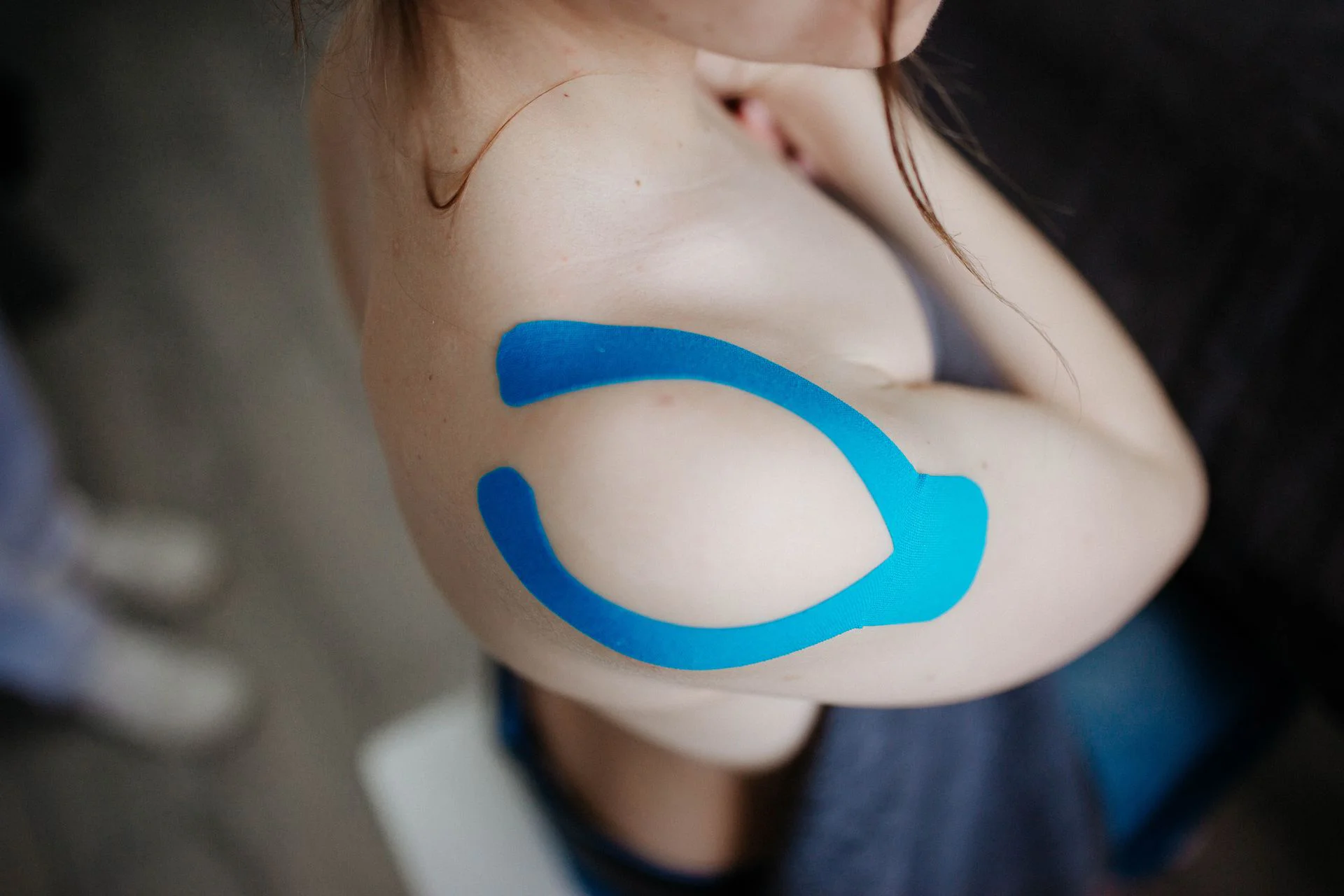
The shoulder is one of the most mobile joints in the body, but that freedom of movement comes with a tradeoff: less natural stability. Athletes rely on the shoulder for throwing, lifting, swimming, serving, pressing, tackling, and overhead motion. When the shoulder is overworked or poorly supported, pain, weakness, instability, and injury risk can increase.
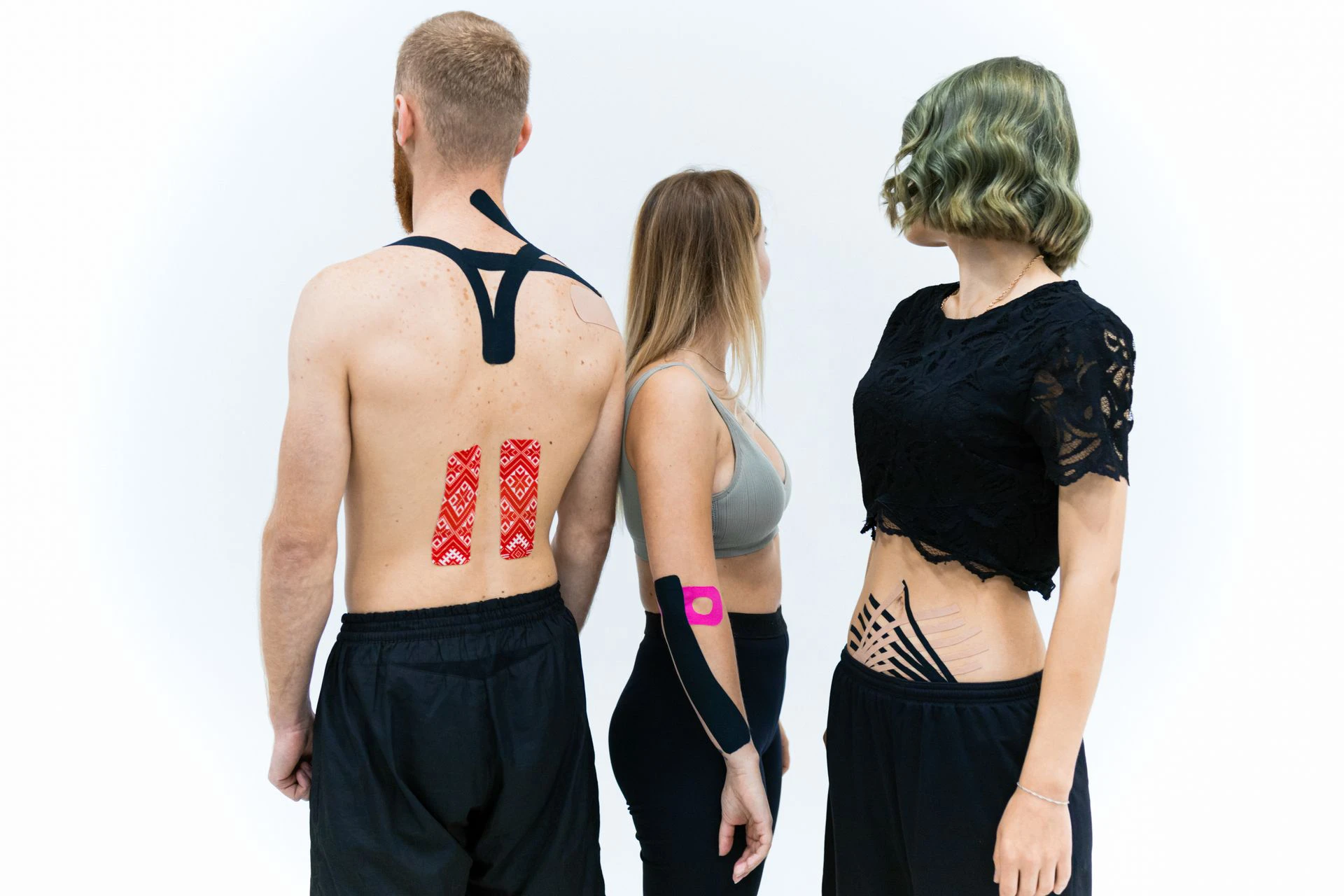
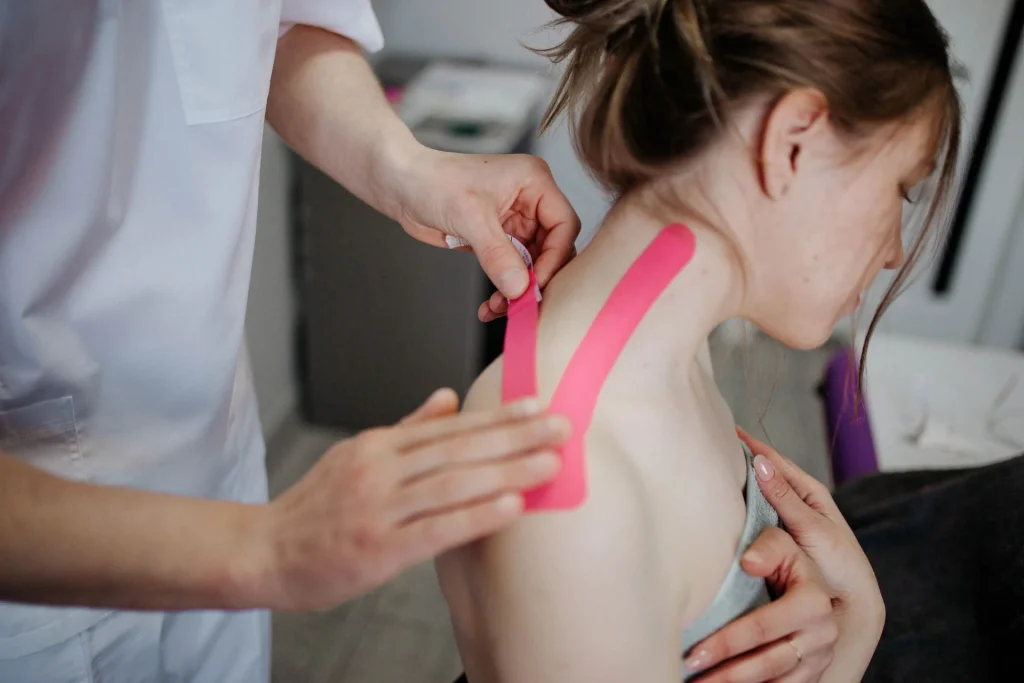
That is why kinesiology taping has become popular in both professional and amateur sports. While the bright tape may look like a trend, its purpose is functional. Athletic taping can provide light structural support, improve body awareness, and help athletes move with more confidence during training and recovery.
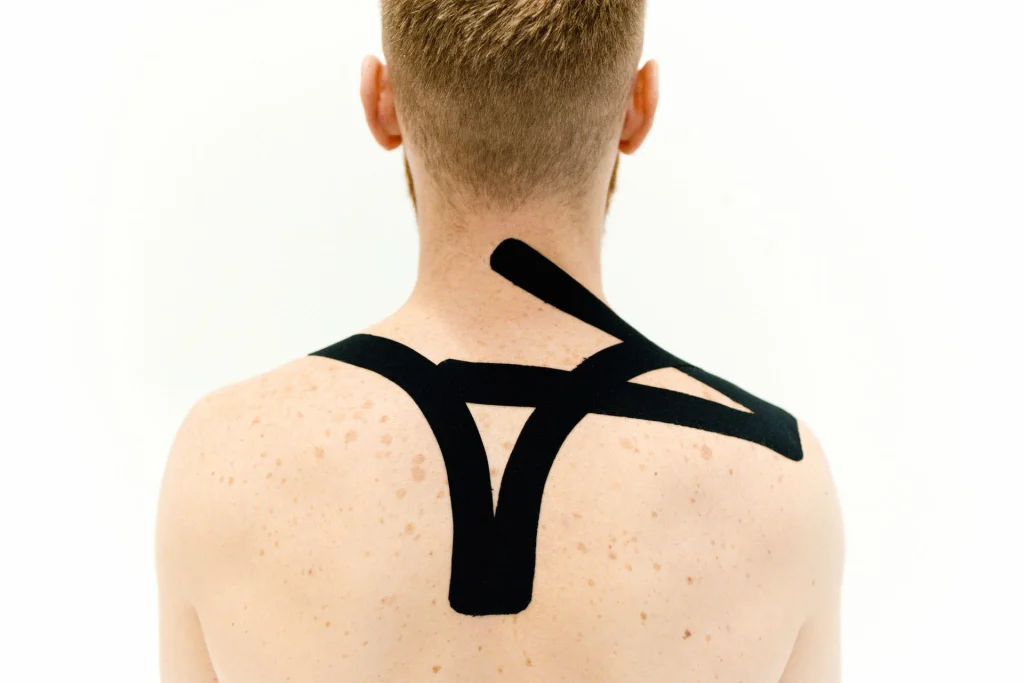
The shoulder is a ball-and-socket joint, which allows the arm to move in many directions. This mobility is what helps athletes throw a ball, swing a racket, lift weights, or reach overhead. However, because the joint is designed for movement, it depends heavily on surrounding muscles, tendons, ligaments, and the rotator cuff for stability.
The rotator cuff helps keep the head of the upper arm bone centered in the shoulder socket. When these muscles become tired, weak, or irritated, the shoulder may lose control during movement. This can increase the risk of strains, impingement, instability, and overuse injuries.
Repetitive overhead sports place extra demand on the shoulder. Pitchers, swimmers, volleyball players, tennis players, CrossFit athletes, and weightlifters often repeat the same shoulder motions hundreds or even thousands of times. Over time, fatigue can affect mechanics and place more stress on the joint.
One of the key benefits of kinesiology taping is proprioceptive feedback. Proprioception is the body’s ability to sense position, movement, and control. When tape is applied to the skin, it stimulates sensory receptors and gives the brain a constant reminder of how the shoulder is moving.
For athletes, this can be helpful because better awareness may lead to better control. Taping does not replace strength, conditioning, or rehabilitation, but it can serve as a cue that encourages improved posture, shoulder positioning, and movement mechanics.
Seeking professional guidance at Touchstone Chiropractic can help identify specific instability patterns, such as poor scapular control, limited shoulder mobility, or compensation from the neck, spine, or hips.
Rigid braces can be helpful in certain injuries, but they may also limit movement. For many athletes, full functional range of motion is essential. A tennis player needs shoulder rotation. A volleyball player needs overhead reach. A swimmer needs smooth shoulder mobility. A weightlifter needs control through a wide range of motion.
Kinesiology tape offers support without completely locking the joint down. This makes it useful for athletes who need stability but still need to move naturally during sport-specific activity.
Kinesiology taping may also help with pain management and swelling support. When applied correctly, the tape may create a subtle lifting effect on the skin. This can help reduce pressure around irritated tissues and encourage lymphatic drainage.
For athletes dealing with mild swelling, soreness, or post-training irritation, taping may provide support while the body recovers. However, shoulder pain is often connected to more than the shoulder itself. Integrated chiropractic care helps assess the entire kinetic chain, including the spine, ribs, hips, and posture, to better understand why the shoulder is being overloaded.
Shoulder pain and instability are often linked to posture. A stiff thoracic spine, rounded shoulders, or forward head posture can change how the shoulder blade moves. When the shoulder blade does not move properly, the shoulder joint may become more vulnerable to impingement, strain, or irritation.
Poor posture can also create tension in the neck and upper back. For some patients, this tension may contribute to headaches and migraines. By addressing posture, spinal mobility, and shoulder mechanics together, athletes can reduce unnecessary stress on the upper body.
Taping may help reinforce better shoulder and postural positioning between appointments, especially when combined with chiropractic care and corrective exercises.
Tape is a temporary aid, not a permanent solution. Long-term shoulder stability requires strength, control, and endurance.
A complete shoulder stability plan may include:
Scapular setting is especially important because the shoulder blade acts as the foundation for shoulder movement. If the scapula is unstable, the shoulder joint may have to work harder than it should. Strengthening the muscles around the shoulder blade can improve control and reduce repeated strain.
The body works as one connected system. A shoulder injury may not always begin in the shoulder. Poor foot mechanics, weak hips, limited spinal mobility, or poor core stability can all affect how force travels through the body.
For example, a baseball pitcher generates power from the ground up. If the feet, ankles, hips, or spine are not moving properly, the shoulder may compensate. Over time, this can lead to overload and pain.
This is why custom orthotics may be considered for athletes with poor foot mechanics, recurring lower-body strain, or alignment issues that affect movement patterns. Supporting the foundation of the body may help reduce stress higher up the kinetic chain.
The spine also plays a major role in athletic shoulder function. Limited spinal mobility can change throwing mechanics, lifting form, and overhead control. Addressing the spine may help prevent compensatory back pain and improve overall movement efficiency.
Poor posture does not always cause permanent damage, but long-term strain can contribute to chronic discomfort, muscle imbalance, joint irritation, and movement limitations. Addressing posture early can help reduce the risk of ongoing problems.
It depends on your habits, muscle strength, mobility, and consistency. Some people notice improvement within a few weeks, while deeper postural changes may take several months of corrective exercise, ergonomic changes, and professional care.
Many people with lower back strain feel better sleeping on their side with a pillow between the knees or on their back with a pillow under the knees. The goal is to keep the spine supported and reduce pressure on the lower back.
Exercises can help, especially when they strengthen the core, glutes, hips, and postural muscles. However, if pain is caused by joint restriction, nerve irritation, or deeper movement problems, professional evaluation may be needed.
Shoulder taping can help athletes feel more supported, stable, and confident during training, competition, and recovery. It may provide proprioceptive feedback, light structural support, pain relief, and swelling control without fully restricting movement.
However, tape works best when it is part of a larger plan. Professional assessment, chiropractic care, corrective exercise, posture improvement, and strength training are all important for long-term shoulder health.
Stability is the foundation of power. When the shoulder is supported properly, athletes can move with better control, recover more effectively, and perform with greater confidence.
Want to improve shoulder stability and athletic performance? Schedule a consultation with Touchstone Chiropractic today and learn whether kinesiology taping, chiropractic care, or corrective exercise is right for your recovery plan.