Chronic back pain is more than an inconvenience. It can affect how you work, sleep, move, and enjoy everyday life. In general, chronic back pain is pain that lasts for 3 months or longer. For many people, it becomes a cycle of stiffness, flare-ups, limited mobility, and frustration.
It is also a widespread issue. According to the NIH, approximately 20.9% of U.S. adults, or 51.6 million people, experienced chronic pain in 2021, with back pain being one of the most common forms. That means millions of people are searching for real answers and long-term relief.
The good news is that chronic back pain can often be managed with the right combination of care, movement, and lifestyle changes. At Touchstone Chiropractic, the goal is not just to mask symptoms, but to identify what is contributing to the pain and create a care plan that supports lasting improvement.
Identifying the Root Causes
Chronic back pain can develop for many different reasons. In some cases, it starts with a structural issue in the spine. In others, it builds over time due to poor posture, repetitive strain, or daily habits that place pressure on the back.
Finding the root cause is one of the most important steps in creating an effective treatment plan.
Physical and Structural Factors
Some of the most common causes of chronic back pain include herniated discs and degenerative disc disease. A herniated disc can place pressure on nearby nerves and lead to pain, tingling, or weakness. Degenerative disc disease happens as the spinal discs begin to wear down over time, which can reduce cushioning and lead to ongoing stiffness and discomfort.
Spinal stenosis and osteoarthritis can also contribute to long-term back pain. Spinal stenosis involves a narrowing of the spaces in the spine, which may irritate nerves and make movement more painful. Osteoarthritis can affect the joints in the spine, causing inflammation, reduced flexibility, and chronic soreness.
Lifestyle and Ergonomic Contributors
Not all back pain comes from a major injury. In many cases, it is linked to everyday habits. Long hours of sitting, poor posture, lack of movement, and weak core support can all place added stress on the back.
Improper lifting techniques are another common issue. Repeatedly bending, twisting, or lifting with poor form can strain the lower back and worsen existing pain. Over time, even small movement habits can add up.
If chronic back pain is affecting your daily life, schedule an evaluation with Touchstone Chiropractic and get a treatment plan built around your needs.
Holistic Management Strategies
Chronic back pain often responds best to a multi-modal approach. That means combining professional care with active recovery and supportive therapies to improve function, reduce inflammation, and help prevent future flare-ups.
Professional Chiropractic Intervention
Chiropractic care can help improve spinal mobility, reduce mechanical stress, and support healthy movement patterns. Spinal adjustments are designed to restore motion in restricted joints, which may help reduce pain and stiffness while improving how the body functions overall.
For many patients, chiropractic care is not just about the spine itself. It also supports communication throughout the nervous system, which plays a role in movement, coordination, and overall physical function.
Internal link: Explore how chiropractic care addresses the nervous system.
Physical Therapy and Active Recovery
Movement matters when it comes to chronic back pain. Physical therapy and guided active recovery can help strengthen the muscles that support the spine, especially the core. A stronger core helps stabilize the lumbar region and reduce unnecessary strain during daily activities.
Active recovery also helps patients rebuild flexibility, balance, and confidence in movement. Rather than relying on rest alone, a structured recovery plan helps the body heal while improving function over time.
Internal link: Understanding treatment for spine-related conditions.
Supportive Therapies
Supportive therapies can be valuable when used alongside chiropractic care and rehabilitative movement. These therapies may help relieve muscle tension, reduce swelling, and support the healing process.
Kinesio Taping for Pain Relief
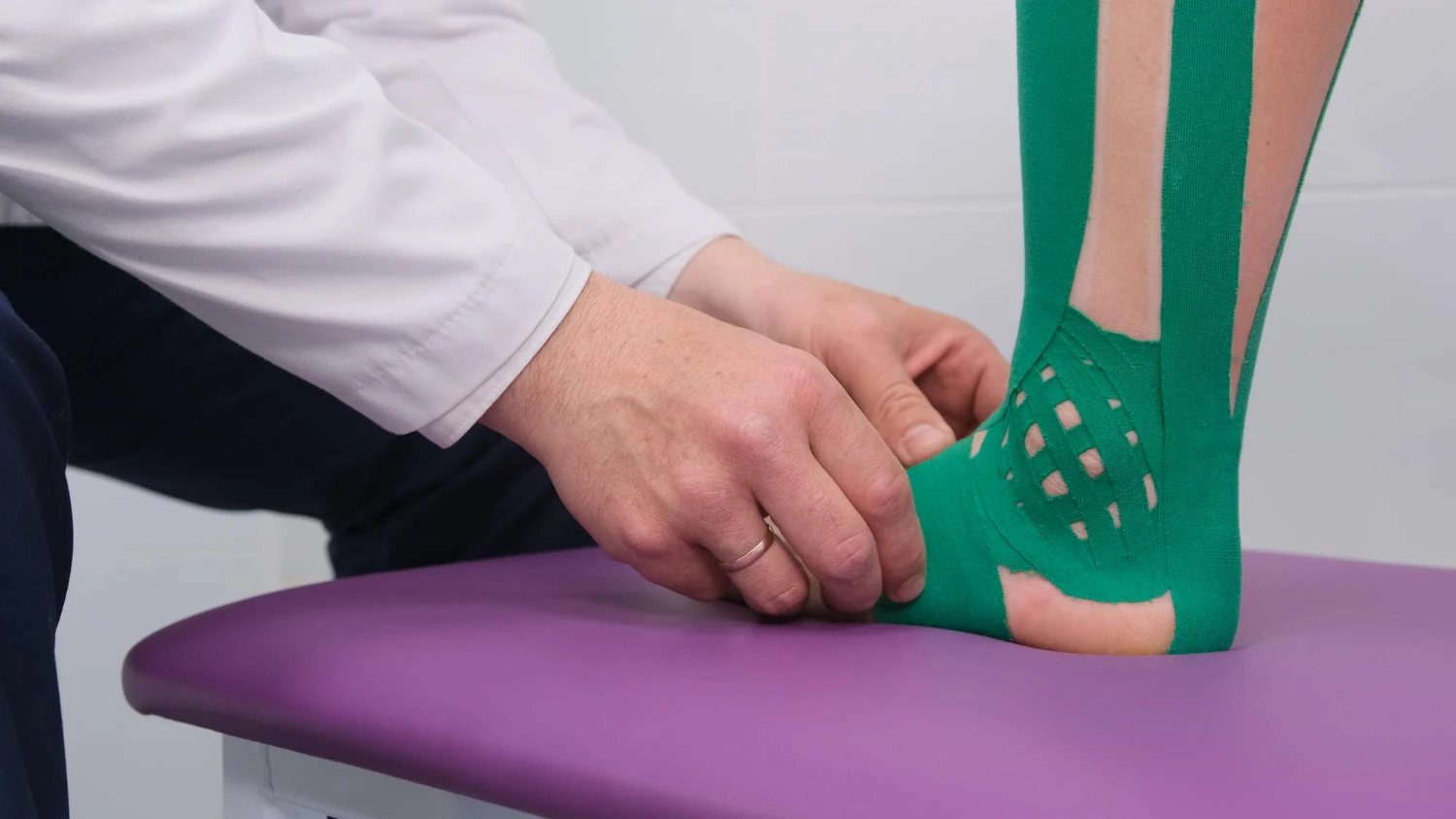
Kinesio Taping is one supportive option that may help reduce discomfort and improve body awareness. The elastic tape gently lifts the skin, which may help reduce swelling, improve circulation, and provide neurosensory feedback during movement.
For some people, it can offer added support during daily activity or exercise while helping reduce strain on irritated tissues. It is not a stand-alone cure, but it can be a helpful part of a broader care plan.
Internal link: Learn more about the benefits of Kinesio Taping.
Lifestyle Modifications for Long-Term Relief
Professional treatment is often most effective when paired with healthy daily habits. Small, consistent changes can make a meaningful difference in reducing back pain and improving long-term comfort.
The Role of Anti-Inflammatory Nutrition
Diet can influence inflammation levels throughout the body. When inflammation stays elevated, it can contribute to ongoing pain and stiffness. While nutrition is not a replacement for care, it can support recovery and overall wellness.
A diet rich in vegetables, fruits, lean proteins, healthy fats, and minimally processed foods may help support the body’s natural healing processes. Reducing excess sugar, heavily processed foods, and inflammatory fats may also be beneficial.
Mind-Body Techniques
Practices like Yoga and Tai Chi can support flexibility, posture, body awareness, and stress reduction. Stress and tension often make chronic pain feel worse, so these mind-body approaches may help patients feel better both physically and mentally.
When performed safely and consistently, gentle movement practices can help improve spinal flexibility and reduce muscular tightness over time.
Ergonomic Improvements
Your work setup and sleep environment can have a big impact on your back. Poor desk posture, prolonged sitting, unsupportive chairs, and an old mattress can all contribute to chronic discomfort.
Simple ergonomic changes such as adjusting your chair height, keeping your screen at eye level, using lumbar support, and choosing a supportive mattress can help reduce strain throughout the day and night.
When to Seek Professional Help
Some cases of chronic back pain require prompt medical attention. Red flags include numbness, weakness, tingling that continues to worsen, or loss of bladder or bowel control. These symptoms should never be ignored.
Even without those red flags, chronic back pain should be professionally evaluated if it is limiting your daily activities, disrupting sleep, or not improving with self-care. A personalized diagnostic approach helps determine what is really causing the pain and what type of treatment may help most.
At Touchstone Chiropractic, a comprehensive evaluation looks beyond the symptom itself. It helps identify movement limitations, spinal dysfunction, muscular imbalances, and lifestyle contributors so your care plan can be specific to your needs.
Internal link: Visit Touchstone Chiropractic for a comprehensive evaluation.
Do not wait for pain to become your normal. Book a consultation with Touchstone Chiropractic and take the first step toward lasting relief.
Frequently Asked Questions (FAQ)
Conclusion
Chronic back pain can affect every part of daily life, but it does not have to control your future. With the right combination of chiropractic care, active recovery, supportive therapies, and healthy lifestyle changes, many people can reduce pain, improve mobility, and get back to doing the things they enjoy.
The most effective care starts with understanding what is causing the pain in the first place. From there, a personalized plan can help you move forward with confidence.
If you are tired of living with constant back pain, this may be the right time to take action. Schedule your consultation with Touchstone Chiropractic today and start your path toward lasting relief.