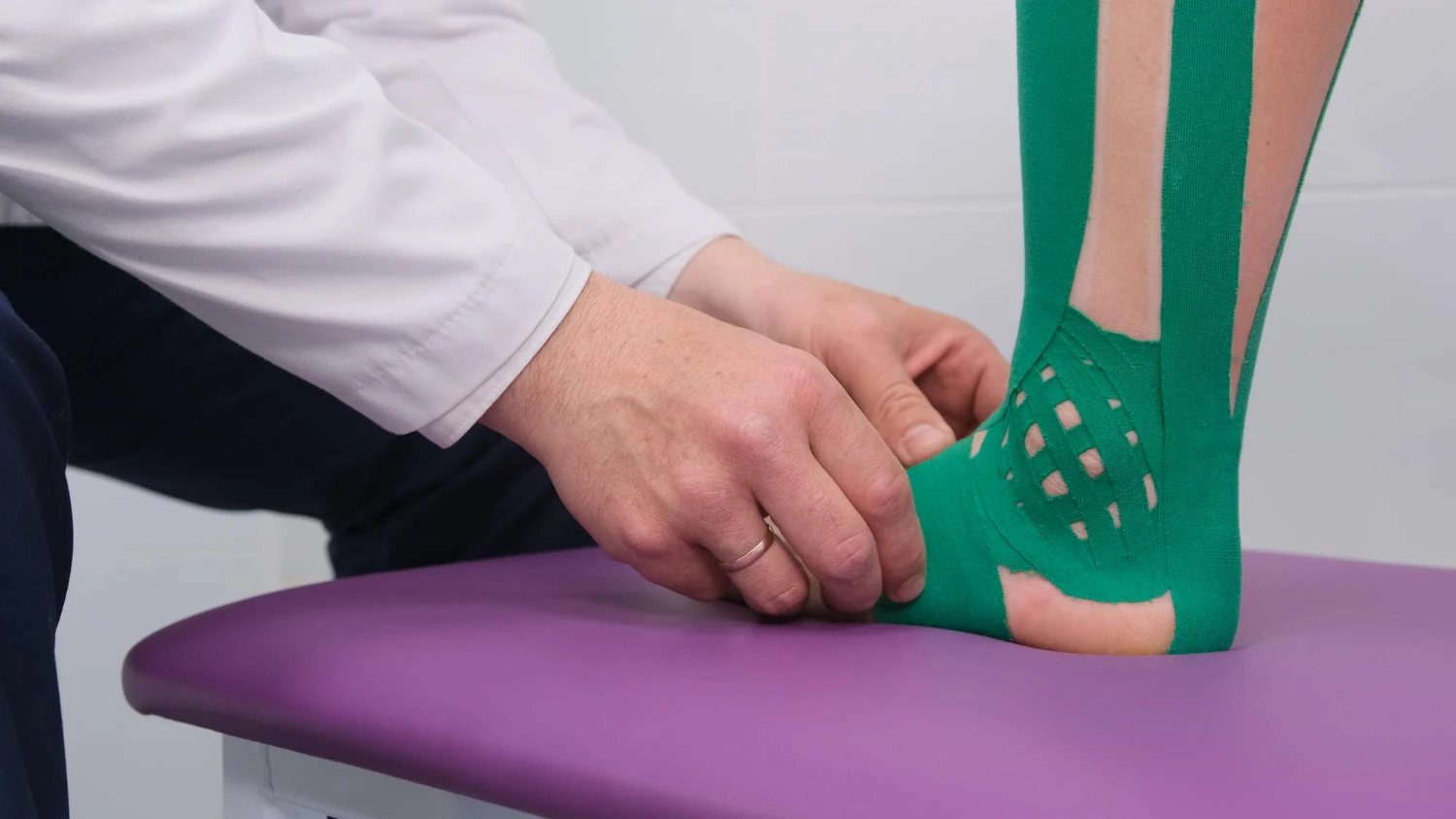
When your body is in pain, even simple things like sitting, driving, sleeping, or picking up your child can feel harder than they should. That is why so many people turn to chiropractic care. It is a natural, non-invasive approach focused on improving spinal motion, reducing pain, restoring mobility, and supporting overall function without relying on surgery or long-term medication. At Touchstone Chiropractic Center, chiropractic care is centered on helping patients move better, feel better, and support long-term wellness through conservative care.
What Is Chiropractic Care?
Chiropractic care is a healthcare approach that focuses on the spine, joints, muscles, and nervous system. The goal is not just to chase symptoms, but to find areas of dysfunction that may be contributing to pain, stiffness, reduced range of motion, or nerve-related discomfort. Touchstone Chiropractic describes its care as focused on restoring proper spinal motion, nervous system function, and musculoskeletal balance.
One reason chiropractic care matters is that the spine does more than hold you upright. It also protects the nervous system, which helps the body send and receive messages that affect movement, coordination, and everyday function. When joints are not moving well, nearby tissues can become irritated, which may contribute to pain, tension, and reduced mobility. This is why many chiropractic treatment plans focus on both mechanical movement and nervous system support.
How Chiropractic Care Works: The Science of the Adjustment
Understanding Spinal Misalignments (Subluxations)
Chiropractors often use the term subluxation to describe an area of the spine that is not moving or functioning as it should. At Touchstone Chiropractic, subluxations are described as shifts in optimal spinal alignment that can affect joint motion and nervous system function. In simple terms, when a joint becomes restricted or irritated, it can create pain, tightness, compensations in posture, and movement problems that ripple into other parts of the body.
This helps explain why chiropractic care is commonly used not only for back pain, but also for neck pain, headaches, sciatica, postural issues, and sports-related injuries. Touchstone’s chiropractic care pages specifically highlight these as common concerns patients seek help for.
The Manual Adjustment Process
A chiropractic adjustment is a controlled, precise movement applied to a joint with the goal of improving motion and reducing restriction. Modern chiropractic care may include manual adjustments, soft tissue work, posture coaching, corrective exercises, and other supportive techniques depending on the patient’s needs. Touchstone’s neck pain care page, for example, notes that treatment plans may include gentle cervical adjustments, posture and ergonomic coaching, soft tissue support, corrective exercises, and nervous system-focused care.
A lot of patients ask about the “cracking” sound during an adjustment. That sound is generally linked to joint cavitation—a change inside the joint space as it moves—rather than bones grinding or “breaking.” MRI-based research has shown that the sound is associated with cavity formation in the joint. (PMC)
Research from NCCIH also shows that spinal manipulation can help some people with low-back pain, and it may also help with acute neck pain and chronic neck pain in certain cases. The evidence is not a claim that chiropractic fixes everything, but it does support its role as a conservative option for selected musculoskeletal conditions. (NCCIH)
Key Benefits of Seeking Chiropractic Treatment
Pain Management and Mobility
One of the biggest reasons people seek chiropractic care is pain relief. Many patients are looking for a non-surgical, non-invasive option that helps them function better in daily life. NCCIH notes that spinal manipulation is one of several options that can provide mild-to-moderate relief for low-back pain, and ACP guidelines recommend non-drug therapies such as spinal manipulation as an initial option for both acute, subacute, and chronic nonradicular low-back pain. (NCCIH)
For neck pain, NCCIH reports that spinal manipulation can be helpful for acute neck pain, while manipulation or mobilization may help reduce pain and improve function in chronic neck pain. That makes chiropractic especially appealing for people who want to improve movement while taking a more conservative path before considering more invasive options. (NCCIH)
Because current pain guidelines emphasize starting with lower-risk, non-drug options when appropriate, chiropractic care may also fit into a broader effort to reduce unnecessary reliance on stronger pain medications, including opioids. ACP specifically recommends non-drug therapies first for low-back pain and says opioids should only be considered after other options have failed and only when benefits outweigh risks. (American College of Physicians)
Beyond the Back: Comprehensive Health
Chiropractic care is about more than low-back pain. NCCIH notes evidence that spinal manipulation may help with some headache conditions, including cervicogenic headache, and may reduce migraine days in some studies, though those findings are still considered preliminary. (NCCIH)
Many patients also pursue chiropractic care to improve posture, reduce stiffness, recover from sports injuries, and move more efficiently. Touchstone’s service pages reflect that wider scope, including care for headaches, migraines, sciatica, scoliosis, sports injuries, work injuries, and general mobility challenges.
Ready to Feel Better Naturally?
If pain, stiffness, or poor posture is affecting your life, chiropractic care may be the next step. A personalized treatment plan can help you move more comfortably, recover more fully, and support long-term wellness.
Book your visit with Touchstone Chiropractic today and take the first step toward lasting relief.
Chiropractic Care by the Numbers: U.S. Statistics
Chiropractic care remains a widely used option in the United States. According to NCCIH, the use of chiropractic care by U.S. adults increased from 9.1% in 2012 to 10.3% in 2017. NCCIH also notes that much of the research on chiropractic care has focused on low-back pain and has shown that spinal manipulation appears to benefit some people with that condition. (NCCIH)
That tells us two important things: people are actively seeking chiropractic care, and the treatment continues to be studied as part of the broader conversation around non-drug musculoskeletal care. (NCCIH)
Is Chiropractic Care Right for You?
Chiropractic care may be worth considering if you are dealing with issues such as back pain, neck pain, sciatica, posture problems, headaches, scoliosis, sports injuries, or work-related strain. Touchstone Chiropractic’s current service pages specifically list common spine-related conditions such as sciatica, scoliosis, headaches, neck pain, and subluxations, along with sports and disc injuries. (
A first visit is also usually more thorough than many people expect. Touchstone’s new patient page says the initial visit includes a consultation, neurological scan, exam, X-rays, and a report of findings as part of its special offer. That process helps identify nerve stress, muscle imbalances, spinal misalignments, and the root causes behind a patient’s symptoms before building a personalized plan. (staging.touchstonechiro.com)
Safety and Professional Qualifications
Chiropractic care should always be provided by a properly trained and licensed professional. NCCIH states that chiropractors in the United States must earn a Doctor of Chiropractic degree, pass National Board examinations, and hold a state license. The U.S. Bureau of Labor Statistics similarly notes that chiropractors typically complete about 4 years of D.C. training after at least 3 years of undergraduate education, and every state requires licensure. (NCCIH)
NCCIH also notes that spinal manipulation for low-back pain appears to be generally safe when performed by a trained and licensed practitioner, with minor soreness or discomfort being the most common short-term side effects and serious complications considered very rare. (NCCIH)
Frequently Asked Questions (FAQ)
New Patient Special Offer
Schedule your first visit with Touchstone Chiropractic and find out what your body has been asking for.