Services
Chiropractic Care
- 427 Chestnut Street, Union, New Jersey 07083
- touchstonechiropractic@yahoo.com
- (908) 810-7424

Your body is constantly sending messages. The brain communicates with muscles, organs, and tissues through the nervous system every second of the day. This communication loop helps control movement, sensation, balance, digestion, sleep, stress response, and much more.
That is why chiropractic and nervous system health are so closely connected. When the spine is functioning properly, the body has a better chance of sending and receiving signals efficiently. When spinal joints are restricted or irritated, that communication may be disrupted, which can affect how the body feels and performs.
At Touchstone Chiropractic, our mission is to help restore balance through careful evaluation, spinal alignment, and personalized care. By improving the function of the spine, we support a healthier connection between the brain and body so patients can move better, feel better, and function with less interference.
The nervous system is the body’s command center. It controls how you move, how you respond to the world around you, and how your internal systems stay regulated. From pain signals to muscle movement to organ function, nearly everything depends on healthy communication through the nervous system.
The nervous system is divided into two major parts. The central nervous system includes the brain and spinal cord. This is where information is processed and coordinated. The peripheral nervous system includes the network of nerves that branch out from the spinal cord and carry signals throughout the rest of the body.
Together, these systems help the body respond, adapt, and maintain normal function. When communication flows well, your body can operate more efficiently. When there is stress, pressure, or irritation affecting the system, symptoms can begin to show up in many different ways.
The spinal column plays a major role in protecting the nervous system. It surrounds and supports the spinal cord, which acts like a central highway for nerve signals traveling between the brain and the body. Healthy spinal movement and alignment help create an environment where those signals can pass with less restriction.
This is one reason spinal alignment and nerve function are often discussed together. The spine is not just about posture or pain. It is also an important part of how the nervous system stays protected and supported.
According to the National Center for Complementary and Integrative Health, back pain is among the conditions for which adults in the United States commonly use complementary health approaches, and spinal manipulation is one of the most commonly used complementary approaches.

When the joints of the spine do not move properly, chiropractors often refer to this as a subluxation or spinal dysfunction. In practical terms, this means there may be irritation, restriction, or abnormal motion affecting the area.
Subluxations can place stress on nearby muscles, joints, and nerves. When this happens, the body may have a harder time maintaining efficient communication between the brain and the areas those nerves serve. While the exact effects vary from person to person, the goal of chiropractic care is to reduce that interference and improve function.
This is why subluxations and nerve interference are a major focus in chiropractic care. Even small mechanical problems in the spine can contribute to tension, inflammation, limited motion, and discomfort that affects daily life.
When spinal dysfunction affects nearby nerves or tissues, patients may notice symptoms such as radiating pain, numbness, tingling, stiffness, weakness, or fatigue. Conditions like sciatica, neck-related nerve irritation, and recurring tension patterns may all be related to spinal stress and poor movement mechanics.
If you are dealing with symptoms like chiropractic for sciatica and numbness, it may be time to take a closer look at the role your spine is playing.
Want to understand whether your symptoms may be connected to spinal dysfunction? Explore our Spine-Related Conditions page to learn more.

A chiropractic adjustment is designed to improve joint motion and function. NCCIH explains that chiropractic manipulations are usually delivered by hand with a quick, gentle thrust, most often on the spine, with the purpose of improving joint motion and function.
One of the key benefits of chiropractic adjustments is that they may help restore healthier movement in restricted joints. When joints move more normally, there may be less mechanical irritation and less stress affecting surrounding tissues. This can support clearer communication between the brain and body.
You can think of it as reducing static in the system. The goal is not simply to create a popping sound. The goal is to improve function so the body can move and respond more efficiently.
Restricted joints and irritated soft tissues can contribute to inflammation and pressure around nerve pathways. By improving motion and reducing stress on the spine, nervous system chiropractic care may help ease physical strain on nerve roots and surrounding structures.
This is one reason patients often seek chiropractic care for nerve pain, including symptoms tied to sciatica, neck tension, or radiating discomfort. Spinal manipulation is one of several nondrug approaches NCCIH says may be used for acute and chronic low-back pain, and it may lead to small improvements in pain and function.
For more support options, visit our Chiropractic Care services page.
The autonomic nervous system helps regulate automatic functions such as digestion, sleep patterns, heart rate, and stress response. While chiropractic care is not a cure-all, improving spinal function may support the body’s ability to regulate itself more effectively.
This is often part of the broader conversation around how chiropractic affects the nervous system. Patients sometimes report improvements in relaxation, sleep quality, and general well-being as tension in the body decreases and mobility improves. That can be a reasonable clinical observation, though individual results vary.
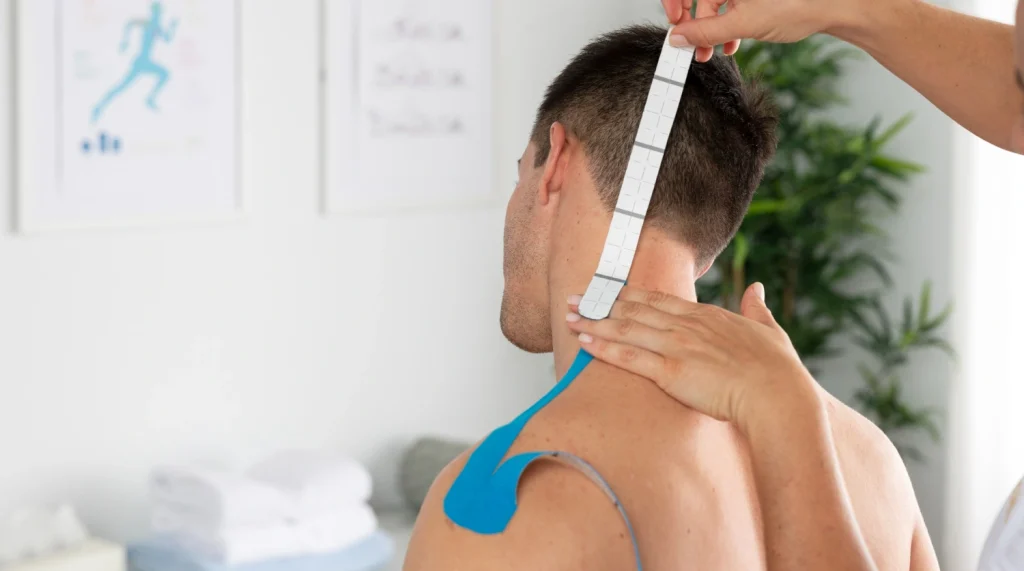
Chiropractic care often works best as part of a broader wellness strategy. In addition to adjustments, supportive therapies and lifestyle guidance can help reinforce recovery and improve long-term results.
Kinesio Taping can provide gentle, continuous sensory input to the body. This tactile feedback may help improve awareness of posture and movement while also supporting muscles and soft tissues during recovery.
For some patients, this added support helps the nervous system respond more effectively during healing. It can be especially useful when paired with manual care and corrective movement strategies.
Good nervous system support also depends on everyday habits. Hydration, sleep, stress management, movement, posture, and nutrition all influence how the body feels and functions.
A personalized plan may include stretching, mobility work, ergonomic changes, or lifestyle recommendations to help maintain the progress made during in-office care. These strategies work together with chiropractic treatment to support better resilience and long-term spinal health.
An adjustment is intended to improve joint motion and reduce mechanical stress in the spine. By doing that, it may help reduce irritation around nearby tissues and support better communication through the nervous system.
Chiropractic care may help some patients feel more relaxed by reducing physical tension, improving movement, and supporting better overall function. Many people notice benefits in comfort and mobility, which can also positively affect stress levels.
Chiropractic care is commonly used by people of different ages, but the type of treatment should always be matched to the patient’s health status, age, symptoms, and clinical needs. A proper evaluation helps determine the safest and most appropriate approach.
The connection between the spine and the nervous system is one of the most important reasons chiropractic care can play such a valuable role in overall wellness. When spinal joints move better and the body experiences less mechanical stress, it may support healthier neurological function, better mobility, and improved day-to-day comfort.
That is why chiropractic and nervous system health go hand in hand. Healthy spinal function supports clearer brain-body communication, while nervous system support can influence how well the body adapts, recovers, and performs.
If you are dealing with nerve-related discomfort, recurring tension, limited motion, or spinal stress, Touchstone Chiropractic is here to help. Schedule your assessment today and take the next step toward better balance, better movement, and better function.